
The Science of Play
The science is clear: play promotes cognitive, social, emotional, and physical health across all ages.
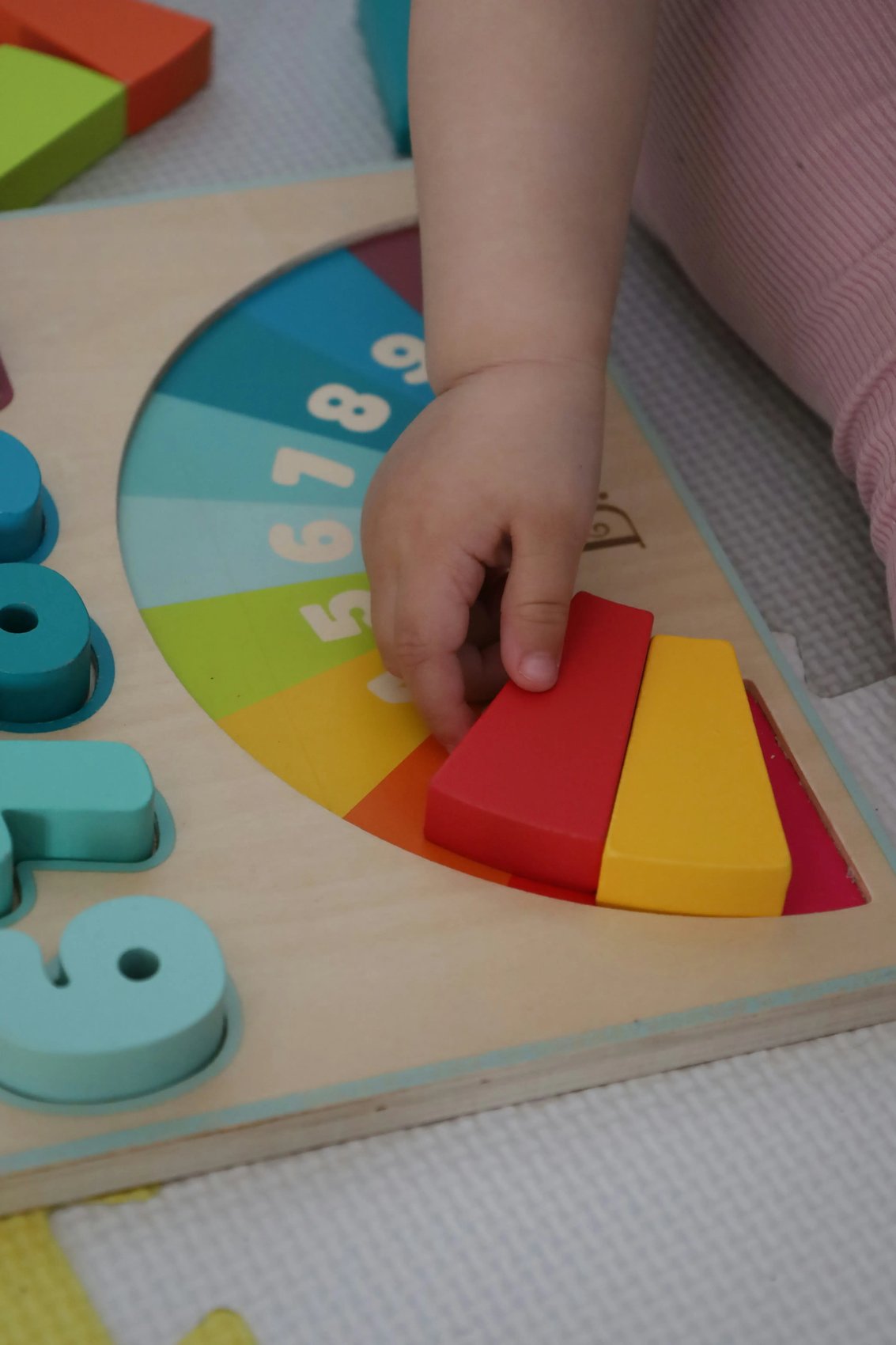
Interdisciplinary Play Science
Play is one of the most widely studied - and consistently misunderstood - drivers of human development & performance.
A growing body of research, spanning more than twenty scientific disciplines, demonstrates that play is a fundamental biological, psychological, and social mechanism shaping how we learn, adapt, connect, and thrive across the lifespan. This work expands far beyond any single field. Play is examined across neuroscience and biology, psychology and psychiatry, education and the learning sciences, public health and medicine, as well as anthropology, sociology, organizational behavior, and design. Each discipline offers a distinct lens, yet all converge on a shared insight: play is essential to how humans and other species develop, function, and innovate.
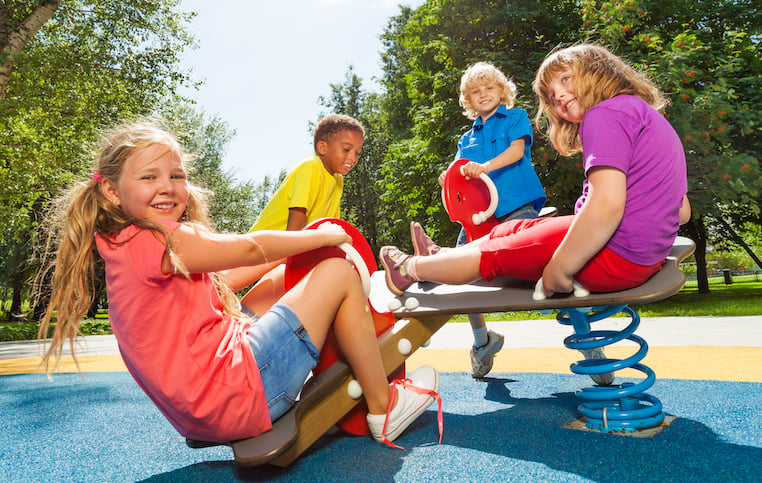
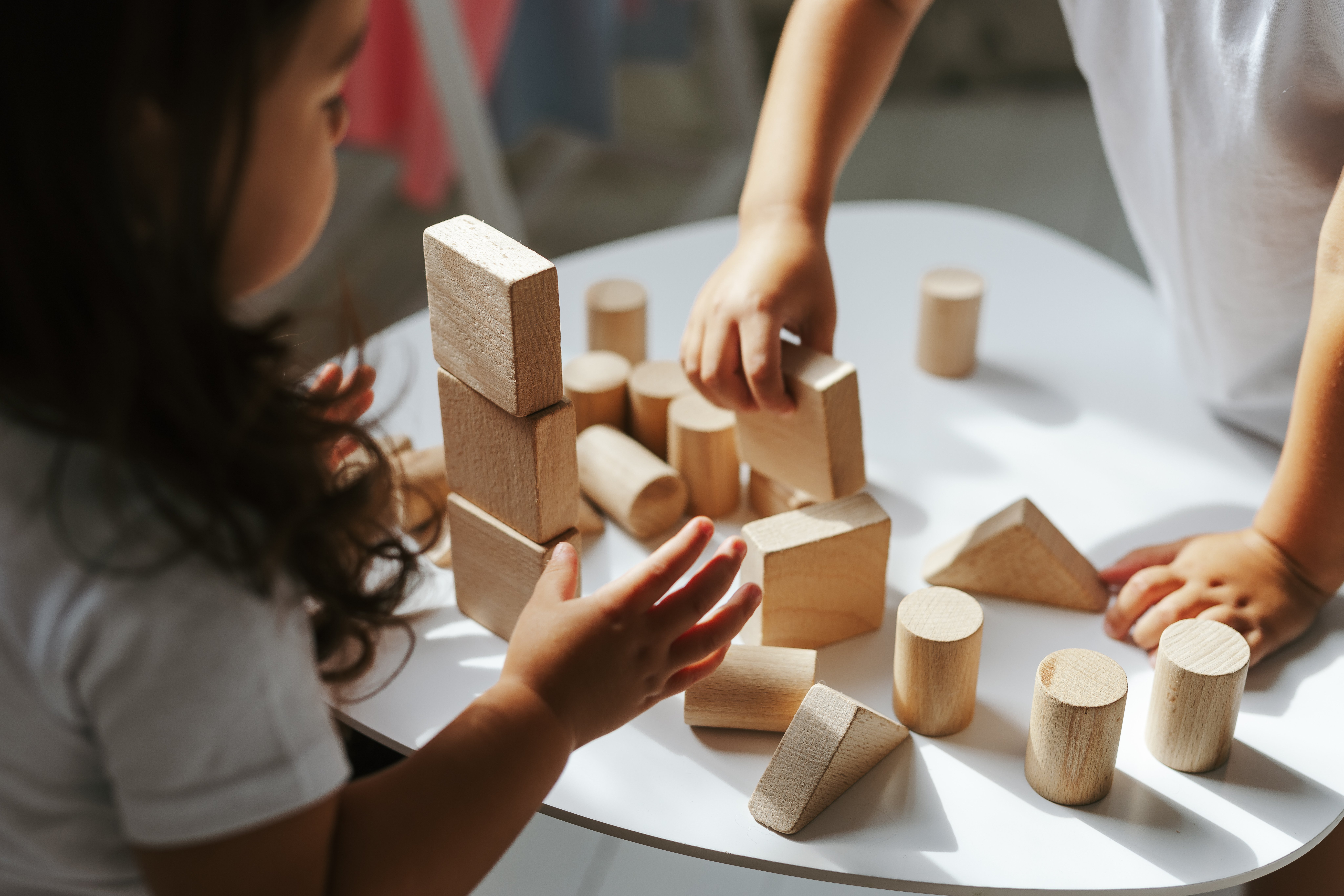

Why Do We Play?
We play because it is a biological, neurological, and social imperative. This drive is a fundamental part of our evolutionary biology—a natural way of engaging with the world that supports learning and development across the lifespan.
Beneath the surface of fun and games, play is performing essential work. To understand why play is so critical to the human experience, we must look at how it shapes our brains and our lives.
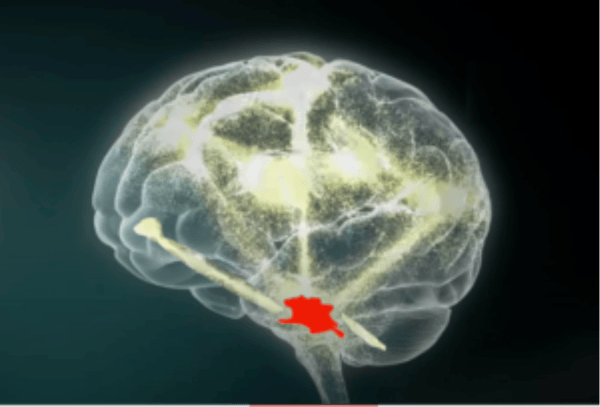
Humans and all mammals are born with play circuits embedded deep in the midbrain, one of the most ancient parts of human neurobiology. Jaak Panksepp identified play as one of seven primary emotional systems innate to the brain—alongside fear, care, and panic. These circuits are inherent, not learned. When triggered, they create a biological urge to engage, sending signals to higher-order regions like the cortex and cerebellum.
Play is one of the brain’s most efficient tools for development. Through play, we explore without excessive risk, experiment, and iterate. These processes strengthen neural circuits tied to:
- Learning and memory
- Problem-solving and creativity
- Emotional regulation
- Social understanding
With repetition, these signals strengthen neural pathways, effectively wiring the brain through experience. Play is how the brain integrates experience into capability.
Play creates conditions where we can navigate uncertainty, recover from mistakes, and tolerate ambiguity. Because play is low-stakes but highly engaging, it allows for repeated trial-and-error—one of the most effective ways humans learn. Across the lifespan, this supports:
- Cognitive flexibility
- Innovation
- Emotional balance
- Social connection
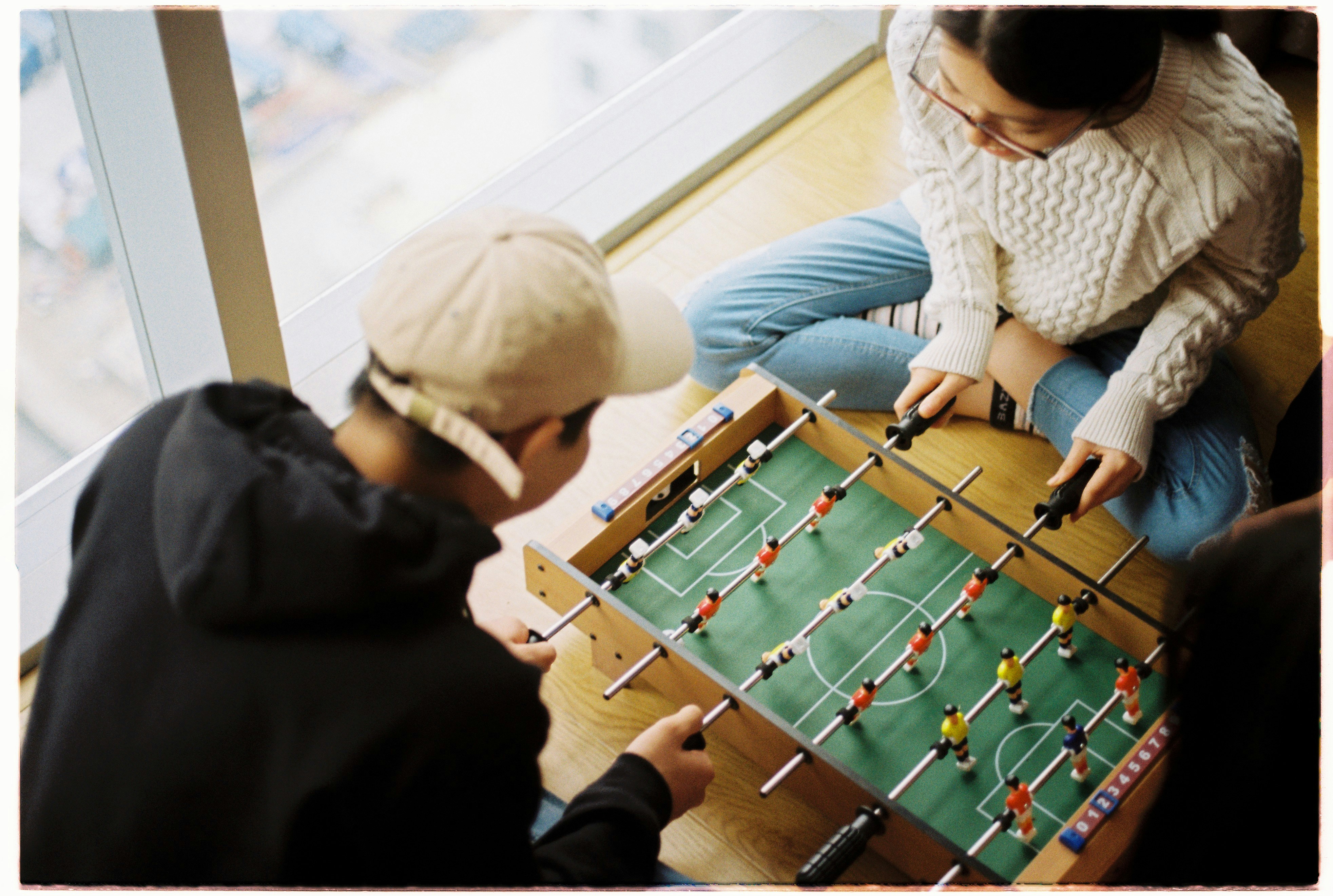
Play functions as a powerful social regulator. It helps us build trust, read social cues, and navigate the balance between cooperation and competition. Across cultures, play acts as a shared language—a way humans connect, communicate, and co-create meaning.
Our Play Nature is Unique. While the drive to play is universal, how we play is not. Each person has an inherent “play nature”—a set of preferences as distinct as a fingerprint. This individuality shapes how we engage with the world, learn, and build relationships.
Play is not incidental to human life — it is fundamental to it. It is a core mechanism through which humans develop, adapt, and thrive. Play is part of how we survive.

Learn More by Discipline
Neuroscience includes the structure or function of the nervous system and brain.
Through research in the field of neuroscience, it has been demonstrated that play is built into the biology of all mammals.
Affective neuroscientists - those who study how emotions function in the brain - have identified seven primary-process emotional systems that humans are born with. These emotional systems are pre-wired in the midbrain, the region responsible for our most basic instincts and motivations. One of those systems is play.
So, how does this play system work?
When play circuits in the midbrain are activated, they initiate cascades of neural activity that extend into higher brain regions (Burgdorf, Panksepp). Repeated play strengthens neural connections involved in movement, emotional regulation, social competence, and flexible thinking. These play-driven neural pathways help wire the cortex, shaping how we think, feel, and interact with the world.
Play is so deeply rooted in the brain that it functions as a fundamental motivational drive. When play is absent or chronically suppressed, research links this deprivation to depression, impaired social development, and difficulties with emotional regulation and learning.
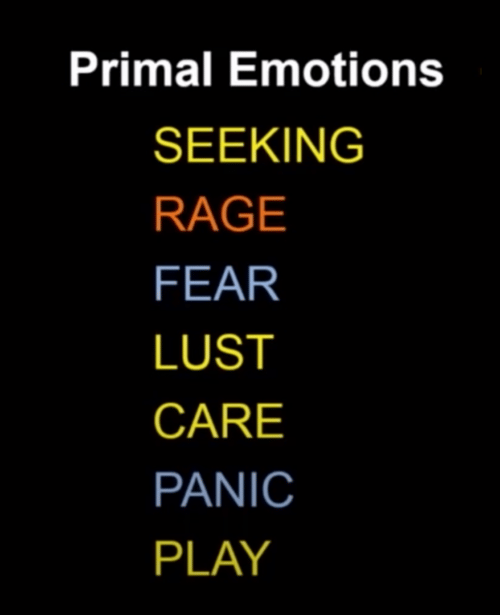
Jaak Panksepp, a prominent neuroscientist, identified seven foundational brain circuits that are primary emotions we are born with, like fear, care, panic and play. These primal emotions are with us at birth, pre-wired in our midbrain—an ancient part of the human brain. The instinct to play is built into our biology, the play circuits in our brains.
See Panksepp's Ted Talk on the 7 primary emotions.
Play is not a learned behavior. It is built into our biology.
- The drive to play can be as fundamental as our drives for food and sleep
- Play exists across all mammals, indicating deep evolutionary roots
- These play circuits are activated by playful stimuli in our environment
Disciplines within Neuroscience that Address Play
-
Affective Neuroscience: the study of how emotions function in the brain
- Biology: the study of living organisms
- Developmental Neuroscience: the study of the brain's physical development
- Evolutionary Biology: the study of natural selection, mutation, genetic drift, & gene flow
- Neuroanatomy: the study of the structure & organization of the nervous system
- Behavioral Neuroscience: the study of brain-behavior relationships
Key Researchers
-
behavioral neuroscientist
-
neuroscience of emotion
-
neuroscientist
-
neuroplasticity
-
neuroscientist, psychobiologist
- affective neuroscience
-
behavioral neuroscientist
- animal behavior
- behavioral neuroscientist
- neuropsychopharmacology
Key Findings in Neuroscience that Address Play
Behavioral science is the scientific study of human and animal behavior.
Behavioral science encompasses a wide range of disciplines focused on human behavior, learning, development, culture, and mental health.
Within this branch, play research has been especially influential in developmental psychology, education, psychiatry, and anthropology.
One of the most robust areas of play research comes from educational psychology: the study of how humans learn and what supports or impedes learning (Hirsh-Pasek, Golinkoff). Across decades of research, findings consistently show that playful curiosity enhances engagement, motivation, and long-term learning outcomes.
In early childhood, replacing play-based learning with premature academic pressure, rote memorization, and narrowly measured outcomes often undermines a child's natural curiosity. Research links early play deprivation to increased impulsivity, emotional and behavioral difficulties, and challenges with peer relationships.
Longitudinal studies - studies that involve observing the same subjects, variables, or populations repeatedly over an extending period to detect trends, developmental changes, or cause-and-effect relationships - suggest that children who experience rich opportunities for self-directed play before formal schooling often outperform peers who are placed early into teacher-led, performance-driven, classrooms. Studies in this field show that encouraging playful curiosity enhances learning outcomes, that paradoxically, the earlier kids start traditional schooling, the greater the potential for long-term harm.
Across the human lifespan, play supports emotional balance, social competence, creativity, and resilience. Severe or chronic play deprivation has been associated with diminished empathy, reduced social capacity, and increased psychopathology.
Disciplines within Behavioral Science that Address Play
- Anthropology: the study of humanity.
- Child development: the study of changes occurring from birth to adolescence.
- Educational psychology: the study of how people learn.
- Evolutionary psychology: the biologically-informed study of behavior.
- Folklore & cultural history: the study of cultural DNA.
- Neuropsychoanalysis: the combination and study of psychoanalysis & modern neuroscience.
- Positive psychology: the study of what enables humans to thrive.
- Psychiatry: the study, diagnosis, & treatment of mental illness.
- Sociology: the study of how emotions function in the brain.
Key Researchers
- educational psychologist
- play development
-
behavioral scientist
-
human play
-
biopsychologist
-
evolutionary biology
-
psychologist
-
positive psychology
-
educational psychologist
-
early childhood education
-
neuropsychologist
-
evolutionary psychology
-
educational psychologist
-
developmental psychology
-
developmental psychologist
-
cognitive science
-
developmental psychologist
-
early language development
-
behavioral scientist
-
positive psychology
-
behavioral anthropologist
-
universal human behavior
-
behavioral biology
-
regulation theory
-
developmental psychologist
-
ambiguity of play
-
psychologist
-
cognitive development
-
developmental psychologist
-
developmental psychopathology
Key Findings in Behavioral Science that Address Play

Ethology is the systematic study of behavior in natural settings, traditionally focused on nonhuman animals.
Observing play behavior in animals — and humans engaged in natural, unstructured play — offers critical insight into why play exists, how it evolved, and what function it serves.
Ethologists study play to understand its adaptive value: how it supports physical competence, social bonding, emotional regulation, and survival (Burghardt, Bekoff). This research shows that play is not random or frivolous — it is an evolved behavior shaped by natural selection.
Long-term field studies demonstrate that animals engaging in more play during youth often survive longer and adapt more successfully as adults (Fagen, Palagi). The capacity for play appears early in development across species, and the complexity of play tends to increase with brain size and social complexity.
Disciplines within Ethology that Address Play
- Anthropology: the study of humanity.
- Child development: the study of changes occurring from birth to adolescence.
- Educational psychology: the study of how people learn.
- Evolutionary psychology: the biologically-informed study of behavior.
- Folklore & cultural history: the study of cultural DNA.
- Neuropsychoanalysis: the combination and study of psychoanalysis & modern neuroscience.
- Positive psychology: the study of what enables humans to thrive.
- Psychiatry: the study, diagnosis, & treatment of mental illness.
- Sociology: the study of how emotions function in the brain.
Key Researchers
-
evolutionary biologist
-
cognitive ethology
- biopsychologist
- evolutionary biology
-
biologist
-
human ethology
-
ethologist
-
biology of animal play
-
ethologist, primatologist
-
primate ethology
-
behavioral anthropologist
-
universal human behavior
-
ethologist
-
cognitive ethology
-
biologist, primatologist
-
social ecology
Key Findings in Ethology that Address Play
What Happens When We Don’t Play?
If play is so important, what are the consequences of not doing it?
Play is a biological drive. So, what happens when it is blocked, suppressed, or absent? Research points to a consistent conclusion: play deprivation has real and measurable consequences, for individuals and for society.
Play Deprivation Is Linked to Developmental Risk
Stuart Brown first began studying play deprivation through his direct participation in a landmark investigation into violent behavior. After the 1966 University of Texas tower shooting, a governor-appointed research team examined the life history of the perpetrator, Charles Whitman.
The findings were striking.
Whitman had been raised in a highly authoritarian and abusive environment. While the drive for play is biologically present in all of us, his natural playfulness was systematically suppressed. Throughout his life, he lacked opportunities for spontaneous, self-directed play.
This case was the catalyst that precipitated broader research on the topic. In subsequent studies of incarcerated violent offenders, Brown and his colleagues discovered that, in comparison to control groups, these individuals were consistently play-deprived in childhood.
Research published in Scientific American have confirmed that a lack of play is associated with reduced capacity to cope with stress, regulate emotion, and adapt socially.
What Science Shows When Play is Blocked
Across various scientific disciplines, the absence of play is consistently linked to certain measurable developmental and behavioral impacts.
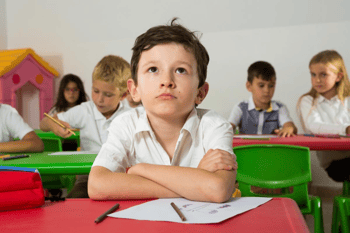
In children...

In adults...
The Neuroscience of Play Deprivation
Through years of research, neuroscientists have made several notable observations related to play deprivation.
When play is absent, neural systems tied to flexibility and learning are left underdeveloped. Our stress responses become less regulated. And, the brain actually becomes less effective at adapting, shifting, and recovering.
Play is not optional; it is a biological necessity.
Across research in development, behavior, and health, the pattern is clear:
-
Play strengthens resilience, flexibility, and connection.
-
Its absence erodes those same capacities.
Protecting and restoring play helps restore the systems that allow humans to adapt, connect, and thrive.