Types of Play
Play shows up across cultures, ages, and species—not as a single activity, but as a pattern of engagement. Most people are naturally drawn to certain types of play, shaping how they learn, connect, and create.
Explore the different types of play

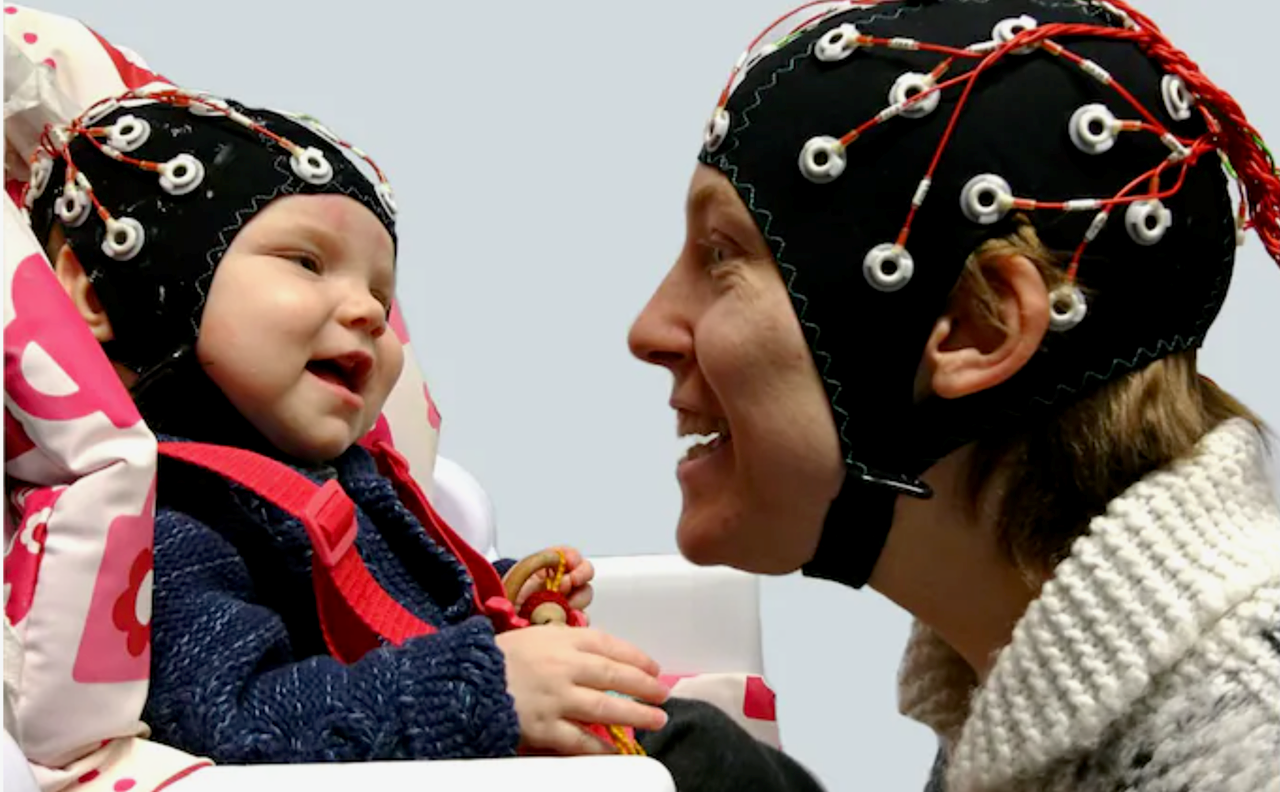
Play begins with attunement — it’s the earliest form of human connection and the foundation upon which all other types of play are built. In the first months of life, attunement emerges through simple, yet powerful interactions between caregiver and infant eye contact, facial expression, vocal tone, rhythm, and mutual responsiveness. These exchanges are not merely bonding moments. They are each of our first play experiences.
When a caregiver and infant lock eyes, smile, and respond to one another, something remarkable happens — their brains begin to synchronize, creating a shared emotional and neurological state. Research by Allan Schore reveals that these early interactions align brain activity between caregiver and child, supporting the development of emotional regulation and social connection. This “serve-and-return” pattern — well described by the Harvard Center on the Developing Child — is a dynamic, back-and-forth process that builds the architecture of the developing brain.
Attunement is more than a connection — it is a biological process that shapes development. It builds trust and emotional safety, supports brain development and neural integration, lays the groundwork for self-regulation and resilience, and forms the basis for empathy and healthy relationships. Children who experience consistent attunement are better able to navigate stress, form secure attachments, and engage effectively in increasingly complex social environments.
When combined with movement — like rocking, dancing, or swinging — attunement engages additional brain systems such as the cerebellum, strengthening coordination, integration, and learning. Activities that encourage this sort of combination assist in connecting different regions of the brain, supporting language, social development, and overall cognitive growth.
While attunement begins in infancy, this play type continues throughout life.
It shows itself in:
-
meaningful conversations
-
shared laughter
-
music and synchronized movement
-
moments of deep presence and connection, ideally involving eye contact
These experiences all carry the same core elements: mutual responsiveness, emotional alignment, and shared attention.
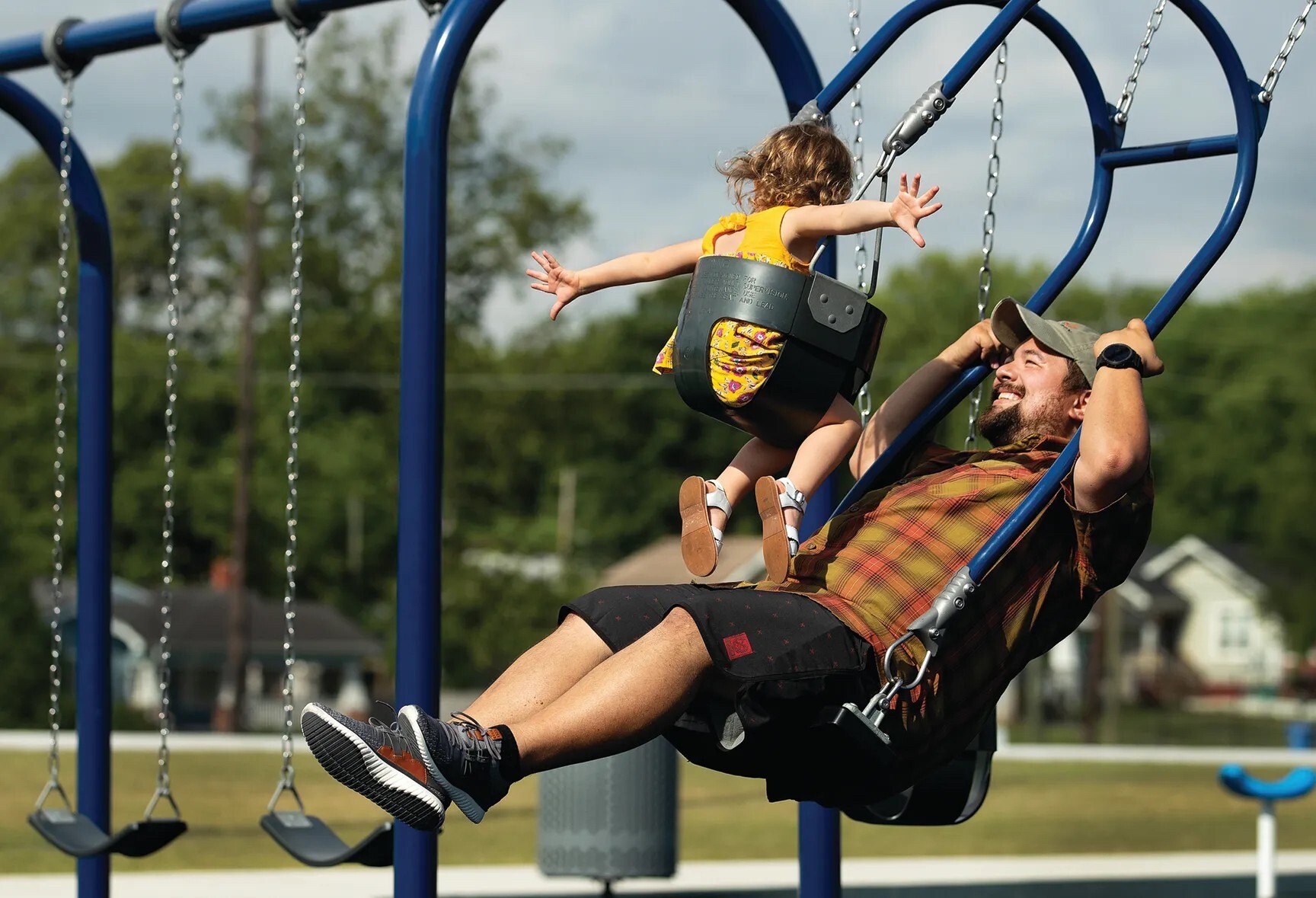
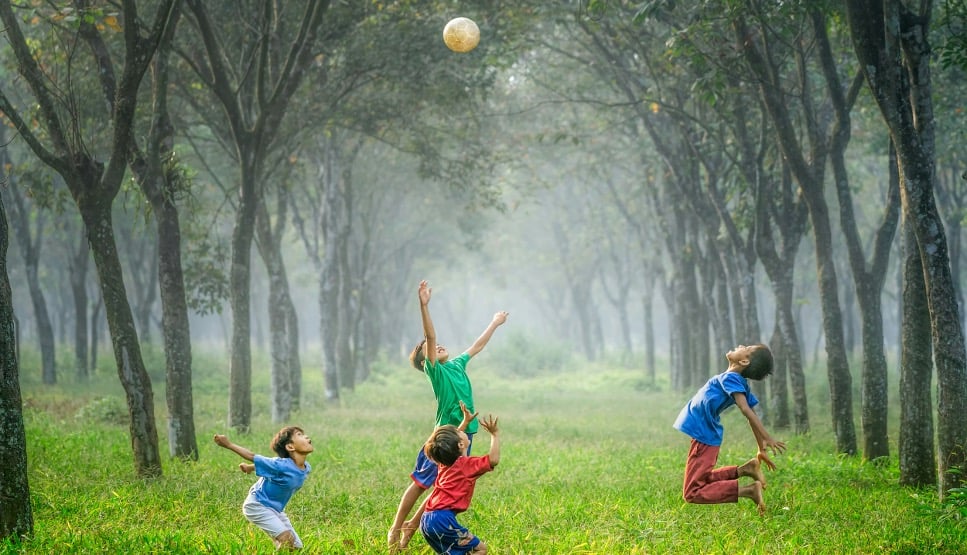
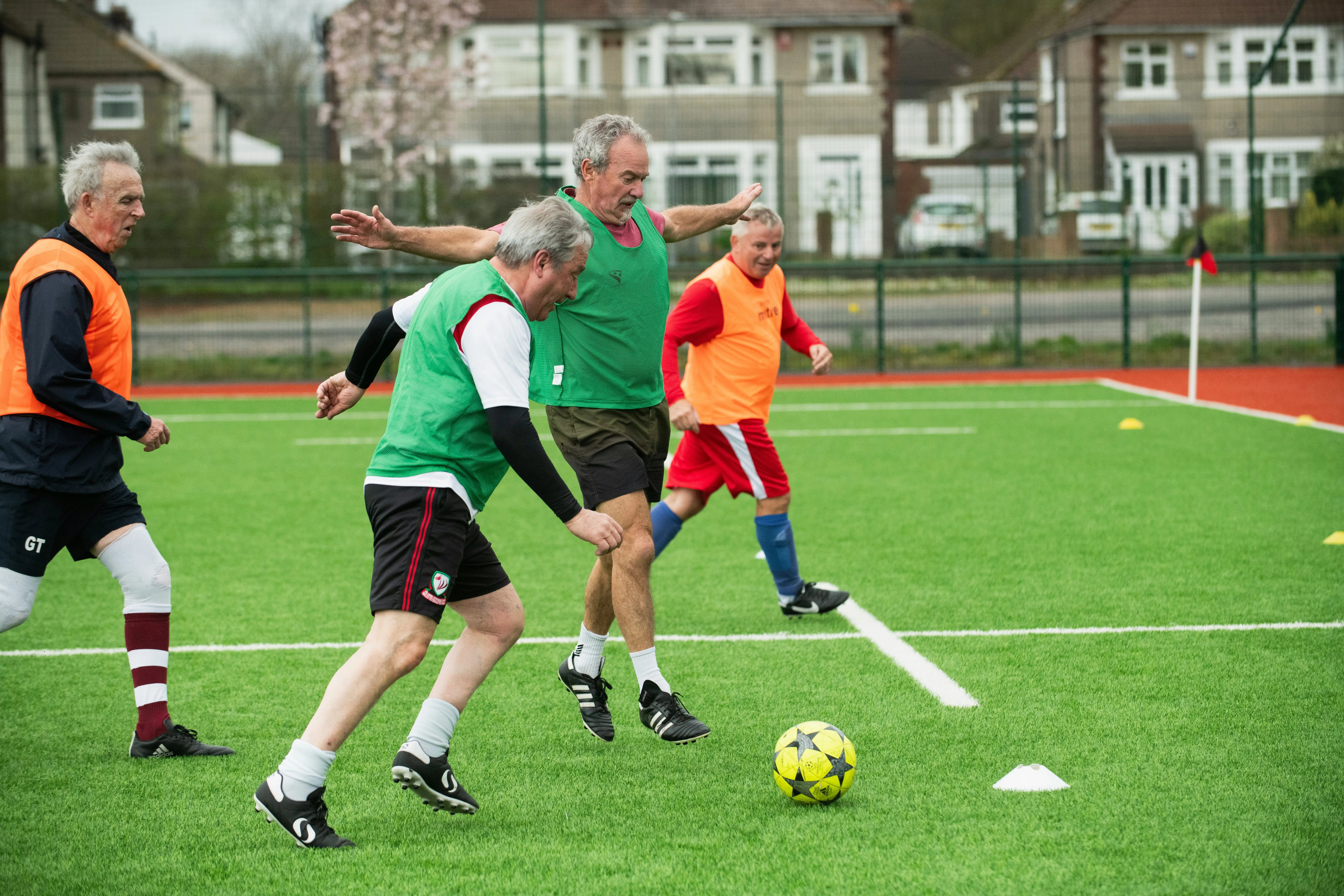
Physical play is exactly what it sounds like, including everything from sports, dance, hiking, and swimming all the way to stretching, climbing, and other spontaneous physical activities.
Humans are biologically wired to move.
When we engage in movement play, we are not only building physical capacity in the body, we’re also integrating cognitive, social, and emotional systems simultaneously. This is why movement often restores a sense of flow when thinking feels stuck and helps reopen curiosity, engagement, and creativity.
In childhood, movement play is foundational to development, supporting motor skills, coordination, decision-making, and social interaction. It’s through running, climbing, balancing, and navigating various physical environments that children learn to assess risk, build confidence, and develop resilience (Frost, Pellis, Bekoff).
These benefits aren’t limited to childhood; they also extend into adulthood. Movement-based play — whether through sport, dance, or recreational activities — continues to support stress reduction and nervous system regulation, cognitive flexibility and problem-solving, social connection and shared experience, and a renewed sense of energy, presence, and well-being.
As philosopher Maxine Sheets-Johnstone suggests, movement is a fundamental way of knowing. A way of knowing how we experience ourselves, others, and the world around us.
Notably, environments that support movement play, like playgrounds, parks, and recreational spaces, aren’t incidental infrastructure. Joe Frost’s pioneering research shows that thoughtfully developed play environments enhance physical, cognitive, and social development, inviting more active, engaged participation in play into our lives.
Physical play spans a vast range of activities present throughout the human life.
-
Sports
-
Dance
-
Hiking
-
Swimming
-
Stretching
-
Climbing
-
Spontaneous movement
In childhood, physical play includes running, chasing, balancing, and navigating outdoor environments.
In adulthood, physical play continues to appear through recreational sports, fitness, dance, and any activity that brings the body into a state of engaged, playful motion.

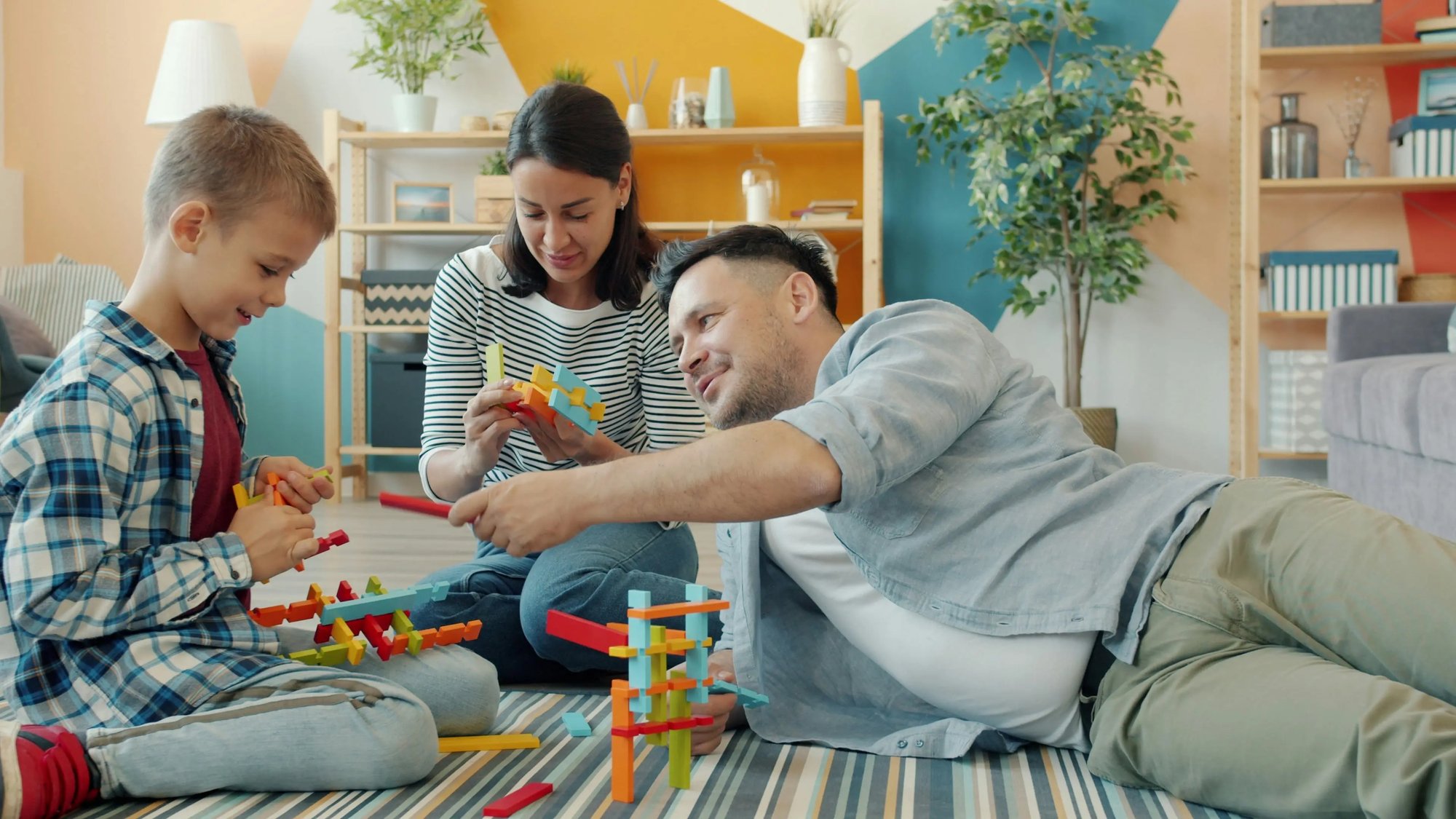
The third type of play we’ll discuss — object play — involves the manipulation of materials and tools. Activities that enable object play include building, cooking, fixing, crafting, gardening, designing, and even more. From infancy all the way through adulthood, working with objects engages the hands as a way of thinking. It’s testing ideas in real time, understanding cause and effect, and building and refining mental models.
From a scientific perspective, object play is deeply tied to how the evolution of the human brain and its development throughout history. Frank R. Wilson, in his book The Hand: How Its Use Shapes the Brain, Language, and Human Culture, describes how the hand and brain co-evolved. Skilled use of the hands helped shape higher cognitive functions in the brain, including reasoning, language, and creativity.
When we engage in object play, we’re actively triggering the hand-brain system in ways that strengthen our problem-solving, spatial reasoning, and systems thinking skills. The hands themselves become a way of thinking, allowing us to test our ideas in real time, understand cause and effect, refine mental models, and develop precision and coordination capabilities. Through the human lifespan, object play supports focused, embodied learning and can serve as a powerful counterbalance to passive or screen-based activities. Many engineers, artists, chefs, and designers have traced their current abilities back to their early experiences of making and creating through object play.
In children, object play is visible when they build, draw, and experiment with materials — even including the disassembling of something.
In adults, object play continues through participation in design-work, repair-work, cooking, crafting, gardening, and other types of hands-on work. Really, it includes any activity where the hands are engaged in making, shaping, or transforming something in the world.
Imaginative play is what fuels storytelling, role-play, improvisation, and symbolic expression. It appears in writing, theater, games, and even in scientific “thought experiments.” This form of play allows us to explore alternative realities, test ideas safely, and generate new perspectives — all elements that make imaginative play foundational to how humans think beyond the present.
Research shows that imaginative play emerges early in development. Developmental psychologist Brian Sutton-Smith observed that, around age two, children begin creating fragmentary narratives — partial stories that evolve over time into more structured storytelling, reflecting a growing cognitive and symbolic capacity.
This ability to blend real and imagined elements is central to human development. Work by psychologist Lev Vygotsky shows that imaginative play supports abstract thinking, language development, and mental simulation — the ability to envision possibilities before acting on them.
Over one’s lifetime, imaginative play enables individuals to reframe challenges and envision alternatives, experiment with identity and perspective, and explore ideas without real-world consequences.
Imaginative play is a play type that takes many forms, including storytelling and role-play in childhood; improvisation and theater in adolescence and adulthood; creative writing, world-building in games, and the kind of ‘what if’ thinking that underlies scientific and philosophical inquiry.
From early pretend play to adult insight, imaginative play is how humans conceive of what does not yet exist.
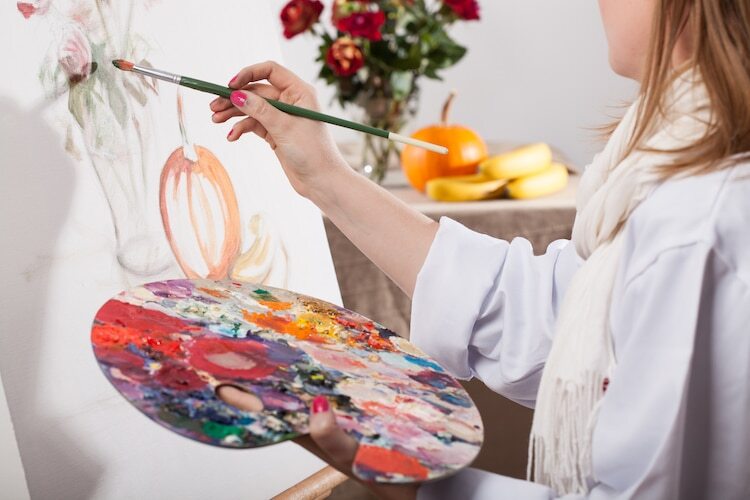
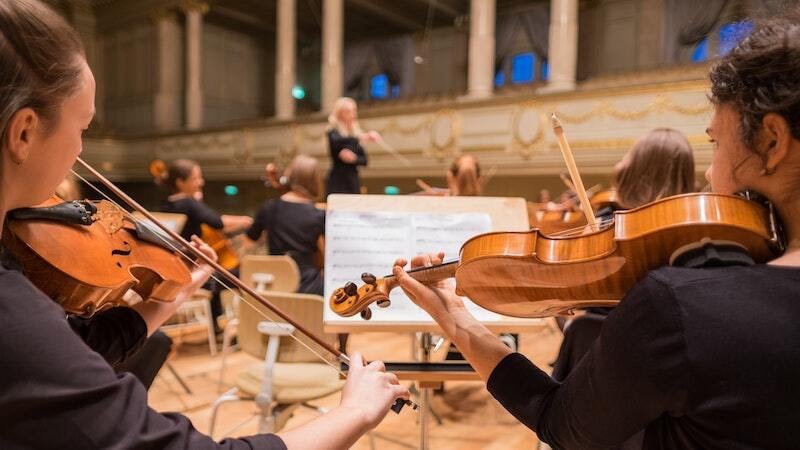

Creative play builds on imagination by turning ideas into tangible forms. It includes making, composing, designing, building, writing, and performing — essentially, any process in which something new is created through active engagement. While imagination generates possibilities, creative play is the process of realizing and refining them. It engages both divergent thinking (idea generation) and convergent thinking (shaping and execution).
Research within psychological and neuroscience disciplines highlights the role of play in creativity. Psychologist Mihaly Csikszentmihalyi describes how creative activity often occurs in states of deep engagement, or “flow,” where skill and challenge balance and attention is fully absorbed. Creativity depends on environments that allow for exploration, flexibility, and low-stakes experimentation — conditions naturally created through play.
Former NIFPlay Board Member Ivy Ross and colleague Susan Magsamen expands this understanding in Your Brain on Art, demonstrating that through engaging in creative practices — whether the production of art, music, movement, or design — has measurable effects on the brain and body. Their research illustrates that creative expression has the ability to reduce stress and regulate the nervous system, enhance cognitive flexibility and resilience, and strengthen emotional processing and well-being. This work fortifies the consensus that creative play is not only expressive, but biologically restorative and essential to human functioning.
Creative play also supports innovation and problem-solving; persistence through iteration and failure; integration of emotion, cognition, and skill; and the development of personal voice and expression.
Artists have long been among those exemplifying this form of play. Through painting, music, dancing, writing, and performance, they constantly engage in iterative exploration — experimenting, revising, and discovering through the act of creation itself.
Creative play allows artists to translate internal experiences into shareable configurations, giving shape to emotion, perception, and meaning in ways that extend beyond language. Across industries and disciplines — from the arts to engineering, all the way to the sciences — creative breakthroughs often emerge through playful experimentation, where ideas are tested, revised, and brought into reality.
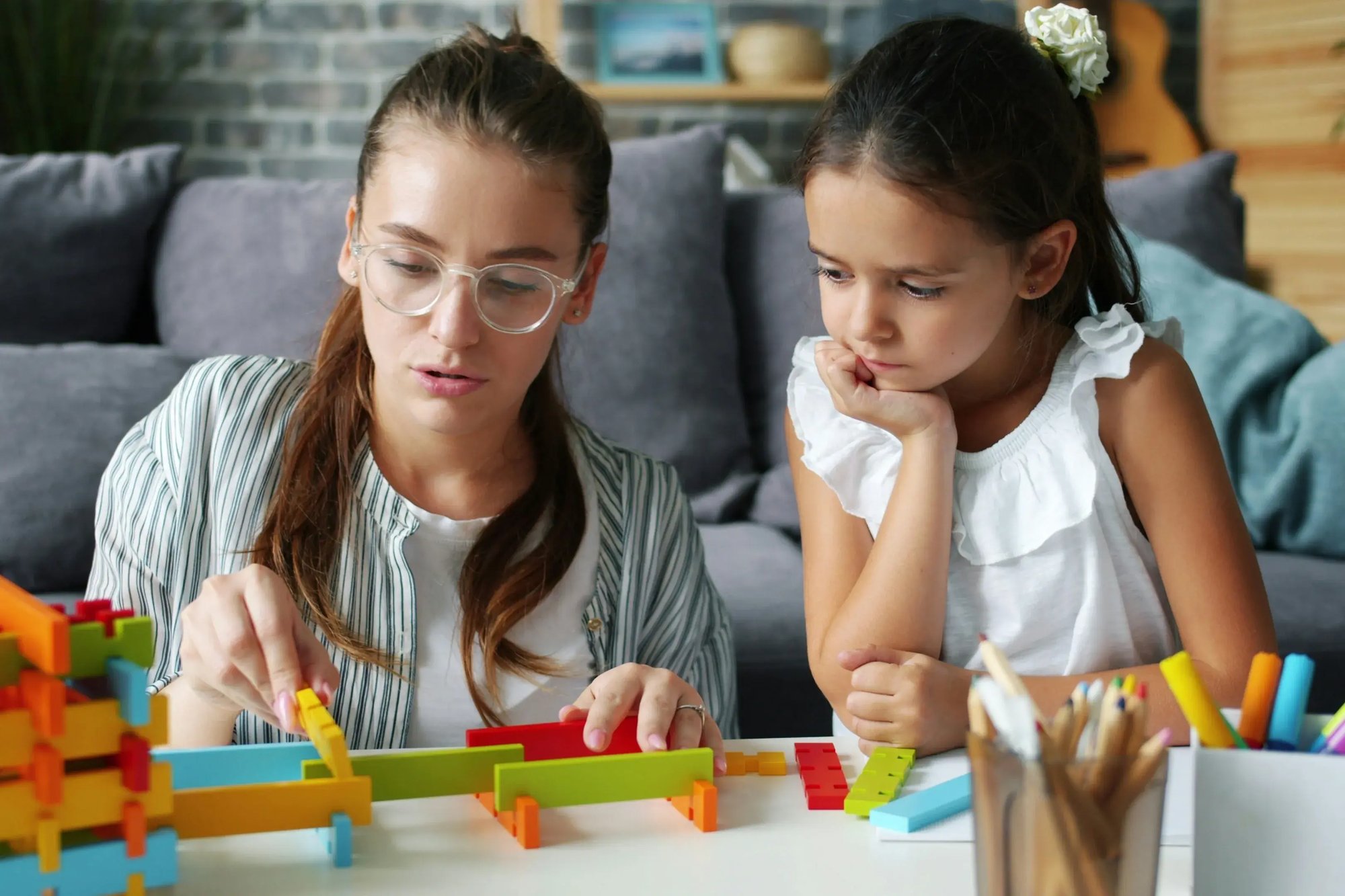
Social play is the way in which humans practice relationships. From casual banter to team sports, to shared meals and collaborative experiences, social play is the primary way that humans learn to connect, communicate, and belong. Research done in the fields of neuroscience, psychology, and evolutionary biology all find that social play is an essential component in the development of cooperation, empathy, and emotional intelligence. This form of play invites us into a shared rhythm in which individuals must continuously adapt to one another — reading cues, negotiating differences, and maintaining mutual engagement.
As psychologist Peter Gray notes, one of the greatest elements of social play is that it’s inherently voluntary. Participants are always free to leave; but in order to keep the play going, individuals must attend to the needs and experiences of others. The dynamic present in social play makes it a powerful training ground for respect and reciprocity, conflict resolution and compromise, turn-taking, leadership, and collaboration.
From an evolutionary perspective, field expert Elisabetta Palagi describes social play as a form of “social glue.” It’s a behavior that strengthens group cohesion and enables individuals to navigate uncertainty together. Across varying species, play helps social groups build trust, coordinate behaviors, and maintain flexible relationships in environments that constantly change.
Social play also supports well-being. It fosters connection, reduces stress, and reinforces a sense of belonging — all needs that increasingly important in a time marked by loneliness and social fragmentation. While solo play is supportive of reflection and independence, social play adds a distinct feeling: the experience of being seen, supported, and included in something larger than oneself.
Social play, similarly to physical play, can take many forms, including games, sports, and shared challenges. Collaborative creativity, problem-solving, storytelling, playful conversation, group rituals, gatherings, and celebrations all fit underneath the umbrella of social play.
Social play is how humans learn to live with one another. It doesn’t just teach us how to interact, but helps us rehearse for cooperation, acting as a mechanism for belonging and a foundation for healthy, functioning communities.
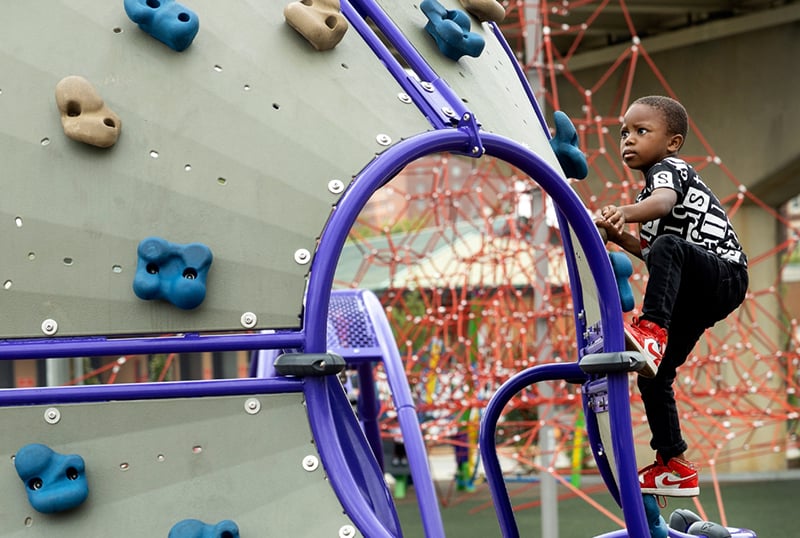
Risky play encompasses experiences with height, speed, uncertainty, physical intensity, and manageable danger. Cross-culturally, children are naturally drawn to these activities, not out of recklessness, but because they are biologically engineered to learn from them. Research by early childhood development specialist, Ellen Sandseter, identifies common forms of risky play, like climbing, exploring, and engaging with challenges that feel just out of one’s comfort zone.
Neuroscientist and psychobiologist Jaak Panksepp explains that the brain plays and seeking systems work together to make exploration feel rewarding rather than threatening, reinforcing curiosity and learning. Through repeated, self-chosen challenges, risky play helps individuals manage fear and physiological arousal, build confidence through experience, and develop judgement under uncertainty.
Psychology researcher Stephen Siviy has published research suggesting that these experiences function as a form of “stress inoculation,” helping the brain distinguish between what’s true danger and manageable challenges. And, as biologist and ethologist Marc Bekoff, describes, play is “training for the unexpected,” preparing both body and mind to adapt and recover when conditions change.
These forms of play are increasingly absent from modern childhood. Heightened supervision, risk-averse environments, and reduced opportunities for independent physical play have limited exposure to the very experiences that build resilience, self-regulation, and social competence. Without risky play, children have fewer opportunities to learn how to manage intensity and emotion, develop trust and read social boundaries, and build confidence through real-world challenge. The result is not greater safety — but often greater fragility, with reduced tolerance for stress, uncertainty, and interpersonal complexity.
Restoring risky play in our lives is not about encouraging recklessness. It is about restoring graduated, developmentally appropriate challenge — the conditions under which humans become capable, adaptive, and resilient.
Risky play includes activities like:
-
Climbing trees
-
Navigating unfamiliar terrain
-
Rough physical activity
-
Independent exploration
-
Any self-chosen challenges that involve a degree of uncertainty or manageable physical risk
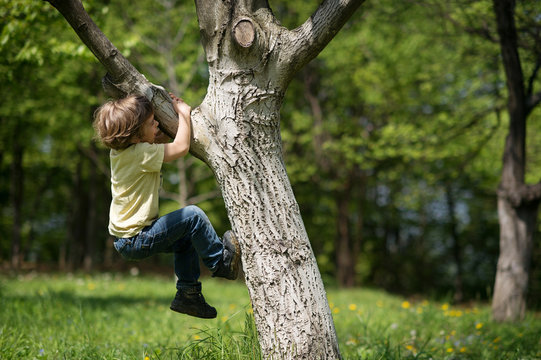
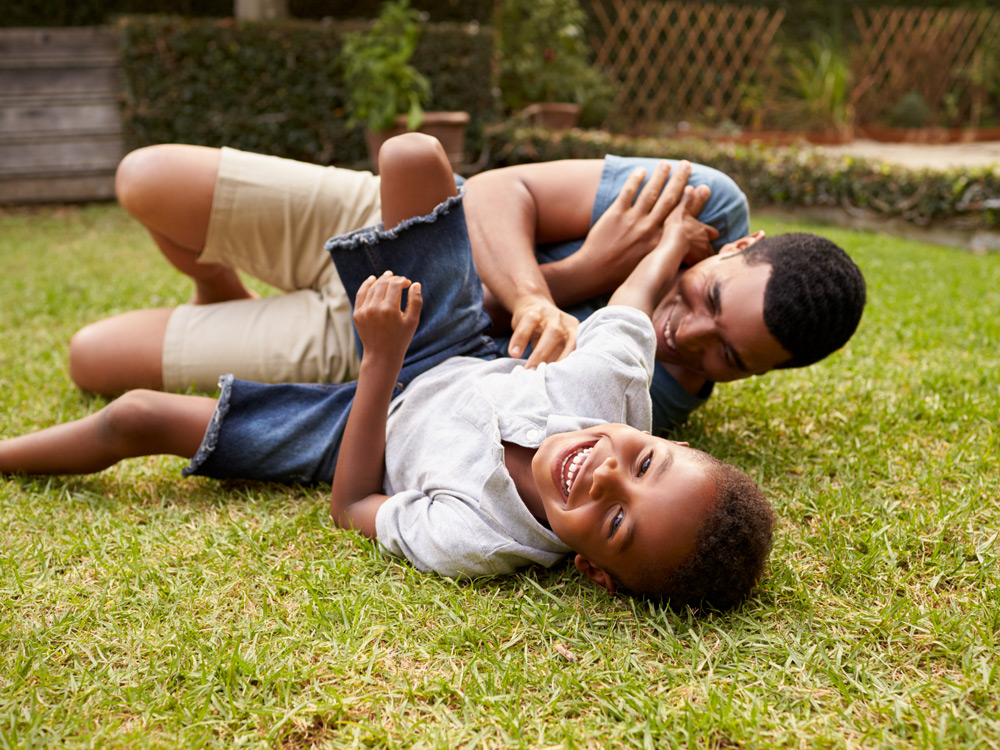
First and foremost, rough-and-tumble play is a core form of risky play; it’s one of the most important and misunderstood forms of risky play. It can be exemplified by activities like wrestling, chasing, play fighting, and other high-energy physical interactions. Adults often mistake it for real aggression and suppress it. Yet, decades of research show that rough-and-tumble play is essential for developing cooperation skills, understanding of fairness, and social competence, as pioneering educational psychology researcher Joe L. Frost notes.
A defining feature of rough-and-tumble play is that the players are still friends at the end. As Dr. Stuart Brown emphasizes, children understand the difference between play and real conflict. These interactions follow implicit rules, such as reciprocity, self-control, and mutual trust.
Research by behavioral neuroscientist Sergio Pellis and colleagues shows that rough-and-tumble play aids the wiring of the brain for social intelligence, which strengthens one’s ability to read cues, regulate impulses, and navigate conflict. When rough-and-tumble play is absent, individuals may struggle with social calibration and impulse control later in life.
Rough-and-tumble play includes:
-
Wrestling
-
Chasing
-
Play fighting
-
Tickling
-
High-energy physical contact between children who are mutually engaged and willing.
It is distinguished from real aggression by the presence of shared enjoyment, turn-taking, and the maintenance of friendship throughout the interaction and following it.
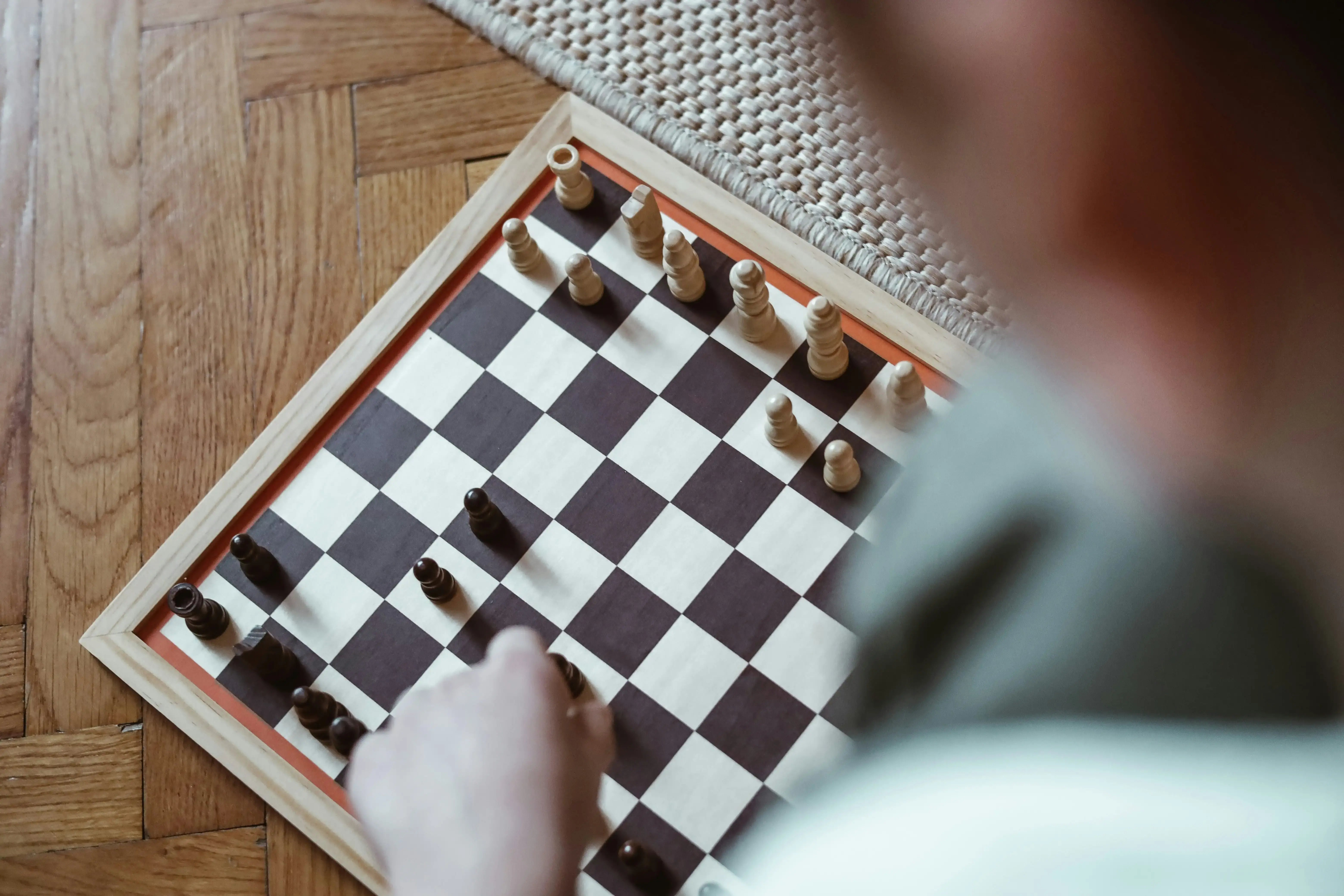
Competitive play is driven by the pursuit of outcomes, performance, and excellence. It engages the human desire to test limits, refine skills, and achieve measurable success. Dr. Stuart Brown describes the “Competitor” as someone who accesses the euphoria and creativity of play through structured games with rules and scoring — competitors are not just playing for the experience, they are literally in it to win it.
At its best, competitive play supports mastery and skill development, focus, discipline, and persistence under pressure, strategic thinking and rapid decision-making, and motivation through clear goals and feedback. Competition also requires emotional regulation: the ability to manage stress, respond to setbacks, and remain engaged under high stakes. Top athletes exemplify this form of play, demonstrating intense focus, adaptability, and composure in moments where outcomes are uncertain and pressure is high.
Neuroscience scholar Robert Sapolsky’s research shows that competition can enhance performance when its structured, time-limited, and voluntary — but becomes harmful when its chronic, uncontrollable, or tied to unstable social status. Healthy competition is therefore grounded in fairness and mutual respect, balancing drive with integrity.
Competitive play can take many forms: individual challenges such as puzzles or video games, team-based sports like baseball or soccer, social environments where performance matters, and spectatorship, where fans experience the intensity of competition vicariously. Whether participating directly or watching from the sidelines, competitors are energized by strategy, timing, and the pursuit of advantage.
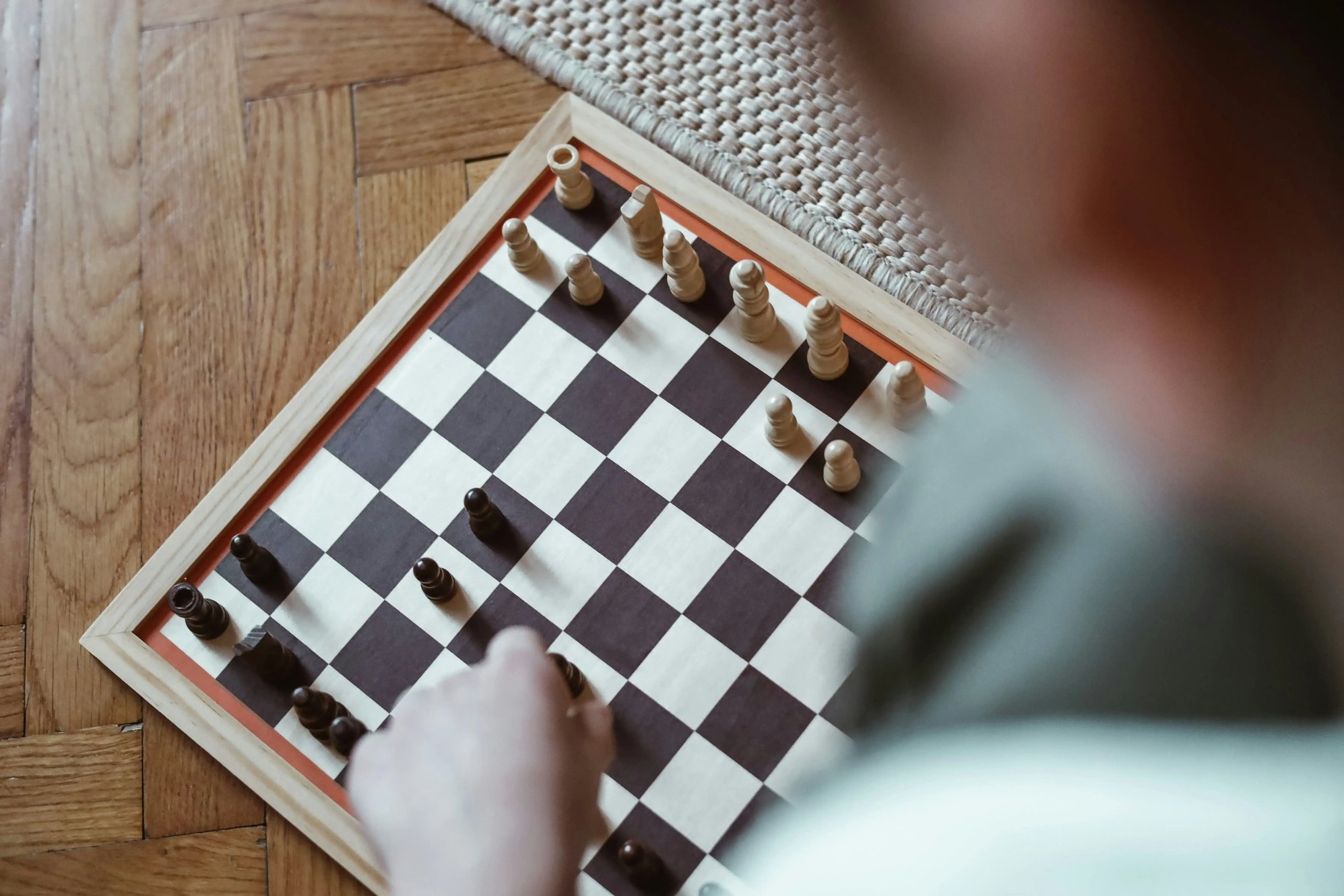
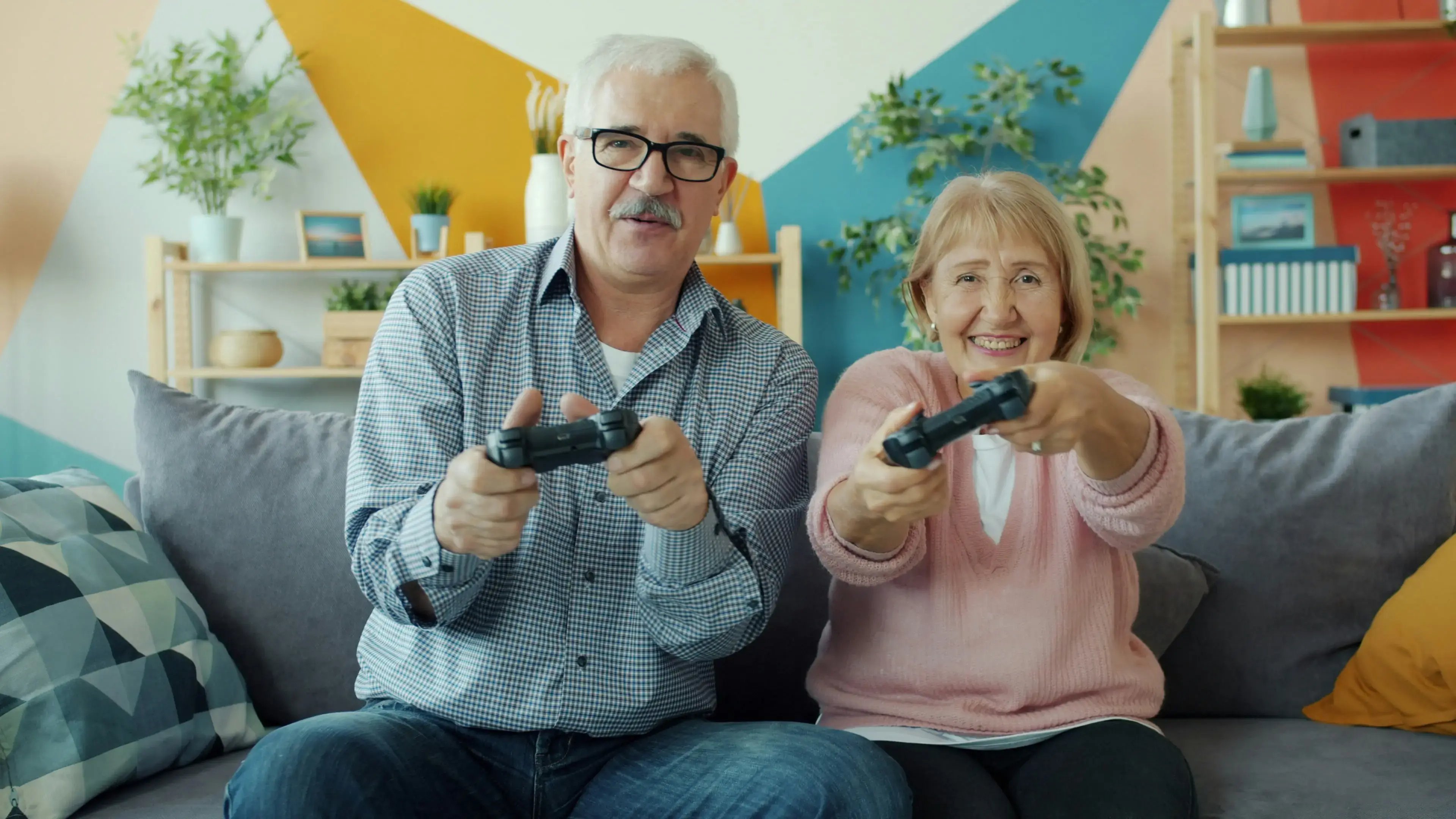
Exploratory play is driven by curiosity — the desire to seek, discover, and experience the new. it is one of the earliest and most fundamental forms of play, present from infancy as we begin to make sense of the world around us. At the beginning of life, play and exploration are nearly indistinguishable. Infants and young children are naturally driven to discover textures and physical properties; grasp spatial relationships; differentiate colors, sounds, and patterns; and explore faces, environments, and sensations.
Studies within the field of neuroscience tell us that exploratory play is closely linked to the brain’s seeking system, as described by Jaak Panksepp. This system motivates organisms to pursue novelty and rewards the process of discovery, reinforcing curiosity and engagement over time.
Through exploration, play itself becomes the engine of learning, guiding how we understand and engage with our surroundings. Exploratory play fuels learning and knowledge acquisition, adaptability and openness to experiences, creativity through exposure to novel inputs, and sustained senses of wonder, awe, and engagement. For those oriented toward exploration, play is not about repetition or mastery — it’s all about continuous discovery of what lies beyond our scope of knowledge.
There are many different manifestations of exploratory play. Maybe it shows up as traveling, hiking, and navigating new environments. Perhaps its emotional exploration through music, movement, or connection. It could also look like intellectual exploration through researching ideas, asking, questions, or engaging with new perspectives.
Figures like former NIFPlay Board Member, anthropologist & primatologist Jane Goodall, exemplify this orientation through their continual fascination with the unfamiliar. Exploratory play utilizes exploration as a way to learn, create, and connect. Biomedical scientist Jonas Salk, developer of the polio vaccine, is often cited by Dr. Brown is another example of someone whose curiosity and investigative mindset led them to profound discovery.
Dimensions of play
There is no one way to play. These dimensions show how play can shift across contexts, life stages, and change even within a single day.
Play can happen alone or with others. Some forms of play are reflective and individual, while others involve connection, collaboration, and shared experience.
Play ranges from quiet and restorative to active and physically engaging. Both forms support well-being in different ways depending on your needs and environment.
Some play follows rules, goals, or systems, while other forms are open-ended and spontaneous. Both provide opportunities for learning, creativity, and engagement.
Play can involve returning to known activities or exploring something entirely new. Familiar play offers comfort, while novelty supports curiosity and growth.
Some play engages the body through movement and action, while other forms engage the mind through creativity, storytelling, and imagination.
Play can focus on improving skills and achieving competence, or on experimenting without a specific goal. Both contribute to learning and development.
Play can involve direct participation or more passive engagement, such as observing or absorbing an experience. Both can be meaningful forms of play.
Play is a daily practice, not a destination. The Live Playfully Journal helps you build a 2-3 minute reflection habit — starting today. → Get the Journal
Play isn’t fixed. You may engage in many types of play and move along the continuum of dimensions throughout your day.
Each human has natural play predilections for a unique combination of play types and dimensions. These patterns turn into Play Styles.