Practice of Play
Play is important across all areas of life. Discover how we can prioritize play and show up to the world through the lens of playfulness.
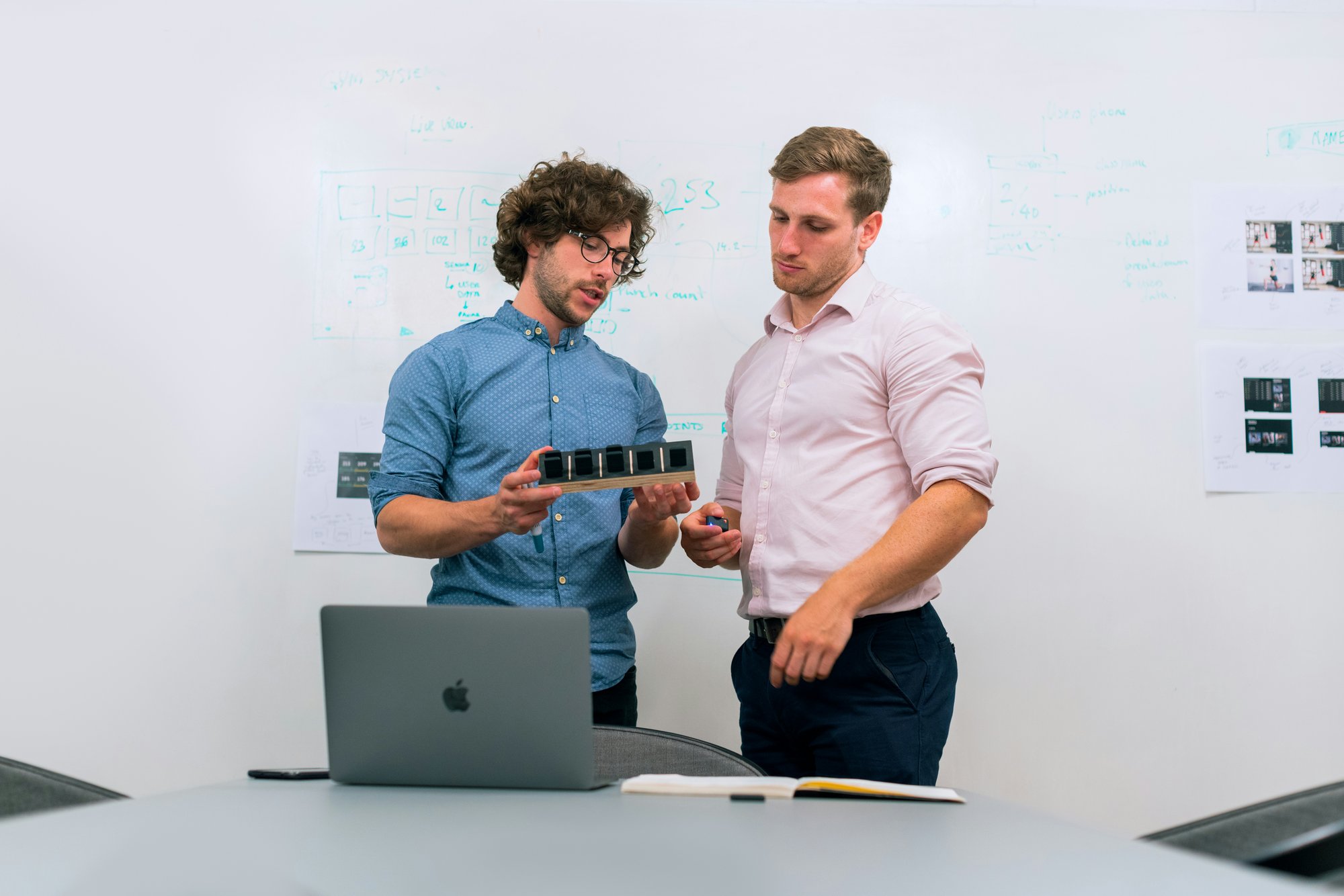
Play in the workplace is often misunderstood. It’s seen as distraction from overall performance rather than a driver of it. In a professional context, play is not a lack of professionalism. It is not always about entertainment or stepping away from work. It should look like the creation of conditions where people can think more flexibly, connect more authentically, and perform more sustainably.
The science of play in the workplace tells us a vastly different story than the stereotype of play in the workplace. Across neuroscience, psychology, and organizational research, play is increasingly recognized as a practical, evidence-based lever for improving how people think, collaborate, and perform at work.
Modern workplaces are under strain. Leaders are navigating rising rates of
-
Burnout and stress
-
Declining engagement and connection
-
Increasing complexity and pace of change.
Globally, the World Health Organization (WHO) reports that one in six people report experiencing loneliness. Gallup estimates workplace disengagement is estimated to cost the U.S. economy $1.9 trillion annually.
At the same time, organizations are asking teams to be more creative, more adaptive, more collaborative, than ever before.
These are not separate challenges. They are deeply connected. Play is what sits at the definite center.
From a biological and cognitive standpoint, play supports those very same capacities modern work demands. The play state
- Enhances creativity and innovation: play increases cognitive flexibility, allowing individuals to generate new ideas and see connections others miss.
-
Improves learning and problem-solving: play empowers trial-and-error learning in low-risk conditions, accelerating skill development and insight.
-
Provides stress regulation: play helps downshift the brain from chronic stress states, improving clarity, decision-making, and emotional balance.
- Builds connection and trust: Play activates social bonding systems, strengthening relationships & psychological safety within teams.
Research highlighted in Harvard Business Review shows that creativity and breakthrough thinking are more likely to emerge in play states — where the mind is relaxed and playful — and not when put under sustained pressure or rigid control.
When play is consistently absent, teams can become more rigid, transactional, and depleted, which in turn makes innovation and sustained performance much more challenging to achieve.
The future of work will not be powered by efficiency alone. It will depend on human capabilities—creativity, connection, adaptability—that are fundamentally supported by play.
Play is not frivolous.
It is foundational to how people—and organizations—perform at their best.
Play in the workplace is not about distraction or entertainment. Rather, it is about creating conditions where people can function at their best. This includes designing environments that invite spontaneity and interaction, building moments of informal connection into employees’ workdays, encouraging experimentation without fear of failure or punishment, and allowing space for humor, curiosity, and exploration.
These are not “soft” interventions. They can directly influence how teams think, communicate, and adapt.
Organizations that understand this aren’t lowering their standards; they’re raising capacity. They are cultivating more adaptive teams, stronger collaboration, greater creativity under pressure, and healthier, more sustainable performance.
Play is not a break from work. It is a biological mechanism that strengthens the human systems work depends on.
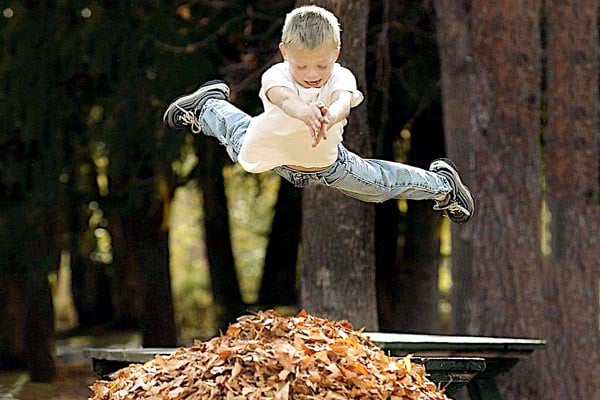
Play is not something children do alongside their core development. Play is how children develop. From the first months of life through adolescence, play is a primary mechanism through which the brain builds the neural architecture, social capabilities, emotional regulation, and sense of self that carry a child into adulthood. Every stage of childhood has its own characteristic forms of play, and each does specific, irreplaceable developmental work.
The Stages of Play in Child Development
Infancy (0–2 years): Attunement and Sensory Exploration
Play begins before a child can walk or talk. The earliest form is attunement: the back-and-forth of eye contact, facial expression, and vocalization between infant and caregiver. EEG studies show the right brain areas of mother and infant light up together during these exchanges, establishing the neural pathways that underpin future relationships. As infants gain motor control, sensory and object play emerge: reaching, grasping, mouthing, dropping — the brain's first experiments in cause and effect and physical mastery.
Early Childhood (2–6 years): Imaginative and Social Play
The preschool years bring an explosion of imaginative play. Pretend play is how children practice perspective-taking, develop language, process emotion, and begin constructing a sense of self. Lev Vygotsky, whose foundational work argued that play is the leading source of development in the preschool years, described play as creating a "zone of proximal development" — a space where children achieve things they cannot yet do independently, stretching their capabilities through the act of playing itself. Parallel play gives way to cooperative play as children approach school age, and with it comes the social intelligence that no formal curriculum can replicate.
Middle Childhood (6–12 years): Rule-Based and Free Play
Play becomes more structured in middle childhood, but the most developmentally critical form remains something increasingly rare: free, unsupervised play with other children. When children are given the time and space to play on their own terms — inventing games, navigating conflict, and discovering what they are capable of without adult direction — they build the resilience, social intelligence, and sense of agency that structured activities alone cannot provide.
Adolescence (12–18 years): Identity, Risk, and Belonging
In adolescence, play evolves into more complex social and creative forms including music, sport, humor, performance, and exploration. What adolescents need, and are increasingly denied, is unmediated experience: time outdoors, time with peers, and the productive discomfort of figuring things out for themselves. When that experience is replaced by screens and structured activities, the developmental work of adolescence goes unfinished.
1. It Builds the Brain.
Active (physical) play stimulates the production of brain-derived neurotrophic factor (BDNF), spurring the growth and connection of neurons. Play literally grows the brain, particularly the social brain and the prefrontal cortex, the area responsible for judgment, impulse control, and decision-making.
2. It Develops Resilience and Emotional Regulation.
Children who play freely and who experience challenge, failure, conflict, and recovery in the relatively safe context of play develop the emotional regulation and resilience that protect against anxiety and depression. The path to resilience runs directly through play, not around it.
3. It Is the Foundation of Social Intelligence.
Empathy, cooperation, fairness, and conflict resolution emerge through the lived experience of play — through negotiating the rules of a game, through learning when roughhousing has gone too far, through discovering what it feels like to be left out and to include someone else.
4. Childhood Free Play is Under Threat, and the Consequences Are Real.
The decline of play in childhood is not the result of any single cause. Researchers point to a convergence of forces: the rise of screen time and smartphone use, the expansion of standardized testing and structured curricula, diminished recess and unstructured time, the over-scheduling of children's lives, and a cultural shift toward supervised, outcome-driven activity at the expense of free exploration. The consequences are visible across multiple measures of child and adolescent wellbeing.
Jonathan Haidt's research documents the steep rise in adolescent mental health challenges that accelerated in the early 2010s. Haidt argues that the shift toward a phone-based childhood — one defined by social media, constant connectivity, and the displacement of in-person, embodied experience — has contributed significantly to rising rates of anxiety, depression, and loneliness among young people. His work has prompted major public policy efforts to limit smartphone use in schools and restore space for real-world childhood.
The deeper argument is also about what has been lost: the unstructured time, the unsupervised exploration, and the freedom to be bored and find your own way through it.
Lenore Skenazy, Peter Gray and the team at Let Grow have spent years working to restore what has been lost. Their practical tools help schools and families reintroduce free play, independent outdoor time, and real-world responsibility. Let Grow's research and programming make the case, school by school and community by community, that children given more freedom thrive.
Together, this body of work reflects play as an emerging clinical and public policy response to a measurable crisis in child development, one that demands more than a single solution.
At every stage, the most valuable play is freely chosen, absorbing, and driven by the child’s own curiosity. It can look like:
• An infant and caregiver locked in a game of peek-a-boo, each delighted by the other
• A three-year-old narrating an elaborate story with stuffed animals on the kitchen floor
• A group of six-year-olds negotiating the rules of a game they invented five minutes ago
• A ten-year-old building a fort in the woods for no reason other than the satisfaction of building it
• A twelve-year-old walking to a friend’s house alone for the first time
• Teenagers making music together or disappearing into a long, unstructured afternoon of neighborhood exploration
What these moments share is freedom from outcome, from evaluation, from the requirement to be productive. That freedom is not a luxury of childhood. It is the condition under which children thrive.
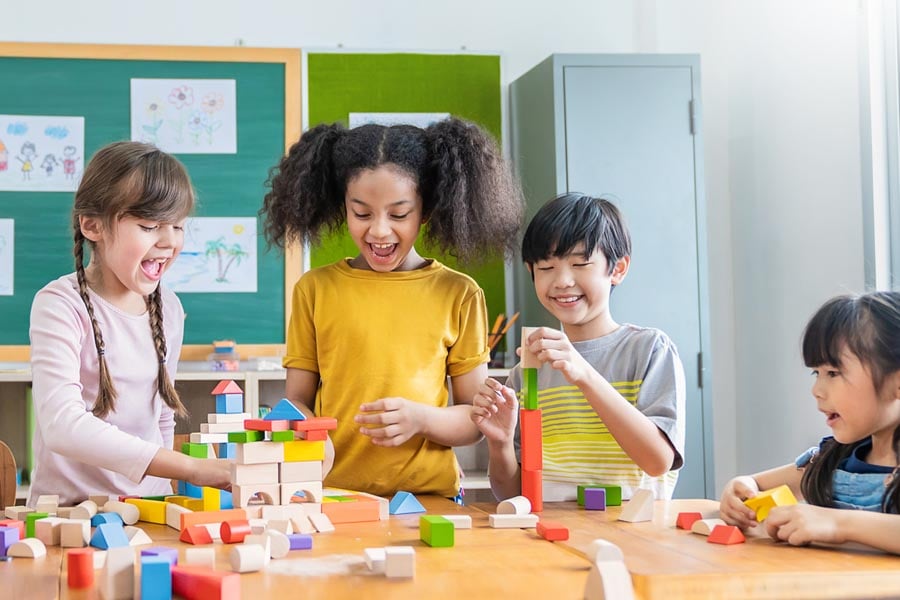
Play is not a break from learning; play is learning. Across developmental psychology, neuroscience, and education research, play is consistently shown to be a powerful mechanism for building knowledge, memory, skills, and capacity in children, adolescents, and adults.
From a scientific perspective, play creates the optimal conditions for learning to occur. It is:
- Intrinsically motivated → students engage more deeply
- Actively engaging → learning is experienced, not just received
- Iterative → trial, error, and adjustment are built in
- Emotionally positive → which strengthens memory and retention
Peter Gray emphasizes that play is nature’s way of ensuring children acquire the skills they need to thrive. When children direct their own play, they are not “off task”—they are practicing problem-solving, social negotiation, self-regulation, and creativity in real time.
Across disciplines highlighted on this site, the findings converge:
- Play strengthens neural pathways associated with learning and memory
- It supports executive function (focus, planning, self-control)
- It builds social and emotional skills essential for collaboration
- It increases engagement and motivation, key drivers of academic success
As explored in our broader science sections, play activates systems in the brain that support exploration, flexibility, and adaptation—all essential for meaningful learning.
Different educational and research traditions arrive at the same conclusion from different angles:
Self-Directed, Playful Learning (Peter Gray)
- Children learn best when they have agency and ownership
- Play allows them to follow curiosity and develop intrinsic motivation
- Mixed-age and collaborative play builds real-world social competence
Playful Learning in Higher Education (Lisa Forbes)
- Play creates psychological safety, making it easier to take risks and learn
- It supports whole-person learning—cognitive, emotional, and relational
Playful environments increase engagement, belonging, and meaning.
Play in the classroom does not mean a lack of structure. It means designing environments where students of all ages can:
- Explore concepts through hands-on, experiential learning
- Engage in imaginative and creative processes
- Collaborate and learn from one another
- Test ideas, make mistakes, and iterate
- Feel safe to participate fully without fear of judgment
These conditions are not ancillary—they are central to effective education.
Traditional models often position learning as the transfer of information.
Play-based approaches recognize learning as an active, embodied process.
When play is integrated into education:
- Students are more engaged and motivated
- Learning is more durable and transferable
- Classrooms become more adaptive and human-centered
The evidence is now compelling at unprecedented scale. Harvard's Global Flourishing Study tracks 200,000 participants across 22 countries to identify what most reliably moves the needle on student wellbeing. The single highest-impact practice of everything measured: students laughing together, producing a 22% increase in flourishing scores. A sense of playfulness came in second. These are not soft findings. They are the hardest data in the study.
By creating space for play in the classroom, we are not lowering academic rigor, we are aligning education with how humans naturally develop, learn, and thrive.
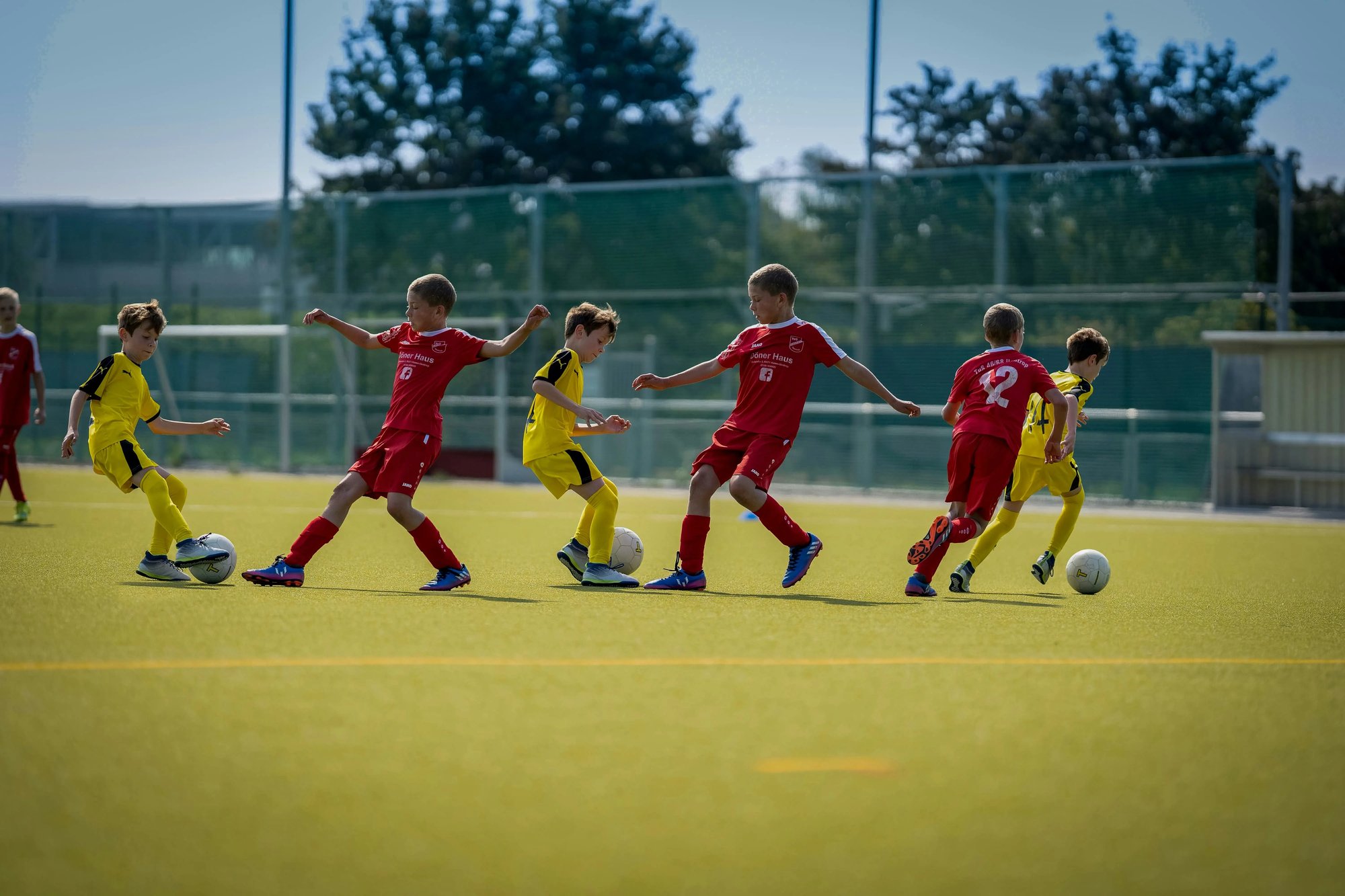
If you’ve ever lost yourself in a pickup game, felt your heart race watching your team score in the final seconds, or discovered a lifelong friendship through a shared sport, you’ve experienced the power of play in athletics. Sports are one of humanity’s most enduring expressions of play. From a casual jog to a competitive league, from backyard badminton to the Olympics, sports invite us into movement, challenge, connection, and joy.
Dr. Brown’s research makes clear that physical, competitive, and social play are among the most powerful forms of human engagement. Sports can bring all three together. They activate the brain’s reward systems, strengthen social bonds, build resilience, and give us a context in which to discover our capabilities. The world of sports encompasses individual pursuits like swimming, cycling, climbing, and golf; team sports like soccer, basketball, and volleyball; and emerging forms like pickleball, ultimate frisbee, and e-sports, each offering its own unique pathway into the play state.
1. It Builds Physical and Mental Resilience.
For many, movement is play, and play is movement. Research (including Dr. John Ratey's groundbreaking work) consistently links physical activity with improved mood, reduced anxiety, stronger cognitive function, and greater emotional resilience. When sport is experienced as play — something that feels personally alive not obligatory — these benefits are amplified. The brain in a play state is more open, more adaptive, and more capable of learning from challenge and setback.
2. It Creates Deep Social Bonds.
Sports are one of the most reliable paths to human connection. Teammates develop trust, communication, and shared identity. Even competitive play — perhaps especially competitive play — knits people together. As Dr. Brown notes, players from rival teams often strike up and maintain lifelong friendships. The shared experience of striving, struggling, and celebrating creates bonds that endure well beyond the final whistle.
3. It Keeps Play Alive Across a Lifetime.
Sports offer an accessible on-ramp to play for adults, who often lose touch with their playful instincts as responsibilities accumulate. Recreational leagues, pickup games, fitness communities, and outdoor pursuits give adults permission to be fully absorbed in something physical and joyful, without needing a reason beyond the experience itself. Adults who maintain active, playful physical lives are healthier, more creative, and more socially connected.
4. It Matters How We Play.
The Aspen Institute’s Project Play has documented a deeply concerning trend in American youth sports: 70% of American children quit organized sports by age 13. The number one reason they give is simple. It stopped being fun.
Burnout, overspecialization, pressure from coaches and parents, too little playing time, and the relentless sorting of children by perceived talent before they have had a chance to develop are some of the structural forces pushing children out of sport at exactly the age when the habit most needs to take hold. Further, children from lower-income families participate in organized sports at roughly half the rate of their higher-income peers, a gap that widened significantly during the pandemic.
This is what the professionalization of youth sports produces. When winning becomes the primary metric, when travel teams form before children have grown into their bodies and interests, when early specialization replaces free play and multi-sport participation, research has determined children don’t just leave sport. They leave movement. They leave the joy. And the research shows that the effects follow them into adulthood.
Project Play’s work points to a different path. When sport is driven by fun, friendship, and the child’s own desire to engage — rather than external pressure and early competition — children stay in it longer, develop more fully, and carry a love of movement into their lives. Their Children’s Bill of Rights in Sports, now endorsed by more than 500 organizations including the USOPC, U.S. Soccer, and ESPN makes the case in policy terms for what play science has long established: joy is not the soft version of excellence; It is the foundation of high performance.
This is not to say that competition is negative. Play is not the absence of high performance. The pathways for passionate children to dive deep into mastery of their craft and compete at the highest levels should always be honored and nurtured. And play is not a ‘break’ from getting good at a sport and building discipline and resilience. Play creates the conditions for sustained intrinsic motivation through high pressure and achievement. Play can help lead to mastery and build the strengths of character that help athletes thrive in high-level competition form healthy habits that carry over to the rest of their lives. Focusing on enjoying the process instead of worrying about the outcomes is what many high-level athletes share as their most tactful mindset for excellence. This is focusing on play and using a playful mindset to thrive and progress in sport.
5. Spectator Sports Are Play Too.
Watching sport is not always a passive experience; it can be a form of play in its own right. Dr. Brown describes the deep connection fans feel with their teams as a genuine extension of playful identity. Spectating brings us into a shared emotional world of anticipation, joy, disappointment, and celebration — and it is often intergenerational. A grandparent and grandchild at their first game together offers community-building that few other experiences match. As the NIFPlay Power of Play report puts it, “communal play turns into playful communion.”
You don’t have to be an athlete to experience the play of sport. It can look like:
• Joining a recreational league just for the fun of it
• Taking up a new physical activity with a friend
• Watching a game with people you love
• Playing catch in the backyard
• Trying a sport you’ve never played before
• Coaching a youth team with joy as the primary metric
Sport at its best is not solely about winning. It is about showing up, moving, connecting, and being fully present in something that matters to you. If the focus is on creating this environment, the winning will take care of itself.
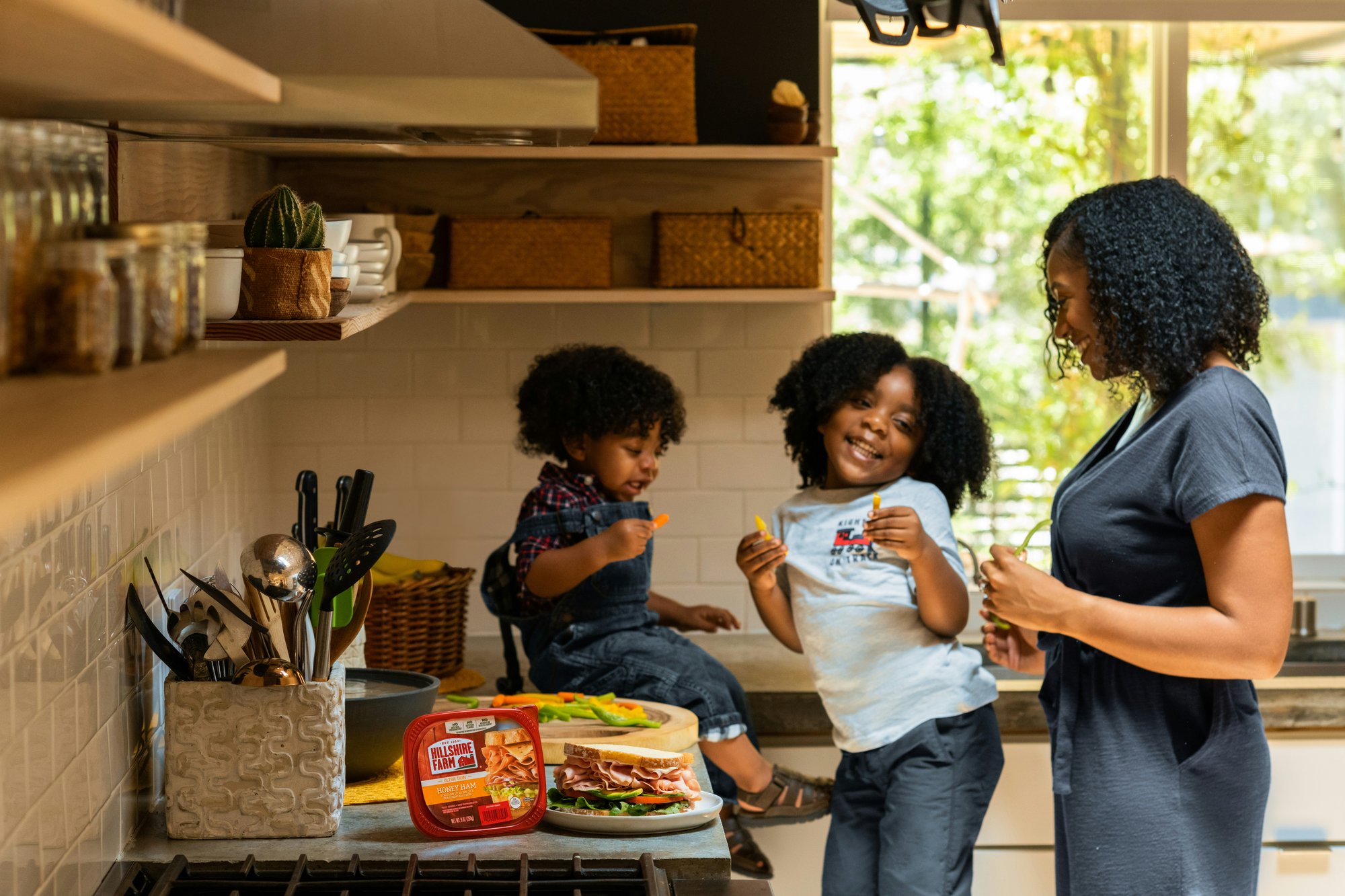
Within families, play is far more than recreation. It is a primary vehicle for connection, development, and relationship-building. It provides a shared language allowing for expression, repair, and reconnection without pressure or performance. And it operates across every generation. The moment a grandparent gets down on the floor with a grandchild, or a parent rediscovers their own playfulness through a child’s eyes, something important is happening; not just for the child, but for everyone in the room.
Dr. Stuart Brown has long emphasized that play is one of the most fundamental ways humans connect across the lifespan. In the family context, that insight carries particular weight: play is developmental, relational, and often restorative.
It builds the foundation of secure relationships.
Play between parents and children builds secure attachment and trust in ways that structured instruction cannot. When caregivers follow a child’s lead in play, entering their world without an agenda, they communicate something essential: you are seen, you are safe, what matters to you matters to me. The American Academy of Pediatrics has highlighted the critical role of parent-child play in promoting healthy development and urged pediatricians and communities to actively protect it.
Research consistently shows play creates states of mutual attunement that reinforce the bonds families rely on when navigating both everyday life and periods of stress.
Intergenerational Play
Intergenerational play between grandparents and grandchildren adults of different ages, and children who lead with elders who follow is one of the most underappreciated dimensions of family life. When older adults play with young children, both benefit. Children gain the security of a trusted relationship and a window into a different experience of the world. Older adults are drawn back into spontaneity, physical engagement, and the particular joy of being fully present with someone who has not yet learned to be anywhere else. Research on intergenerational play documents benefits across stronger family bonds, reduced isolation in older adults, improved emotional regulation and social development in children, and a sense of shared identity that weaves families together across time.
Mixed-age play within families also mirrors what developmental researchers have documented in broader contexts: when children of different ages play together, the older ones develop patience, leadership, and empathy, while younger ones are stretched toward capabilities they could not reach alone. The family is often the first and most natural setting for this kind of play.
It strengthens the whole family system.
Play strengthens everyone. It reduces stress and introduces moments of lightness into daily life. It supports emotional regulation for both children and adults. It creates shared experiences that become the stories families tell about themselves. When families play together, they are not stepping away from what matters; they are investing directly in the relationships that shape resilience and wellbeing.
Family play does not need to be elaborate or planned. It can look like:
• Shared laughter, storytelling, or a running family joke
• A board game, a building project, or cooking something together
• Outdoor exploration, a neighborhood walk, or backyard play
• Following a child’s lead in imaginative or spontaneous activity
• A grandparent teaching a grandchild something they love, or a grandchild teaching a grandparent something new
• Unstructured time together with no goal other than being present
What matters most is not the activity itself but the quality of presence it creates. In a world that increasingly pulls attention away from one another, play brings it back, creating the conditions for children and adults alike to grow, connect, and thrive together.

For healthcare providers, play is not about making serious work less serious. It is about restoring the human capacities that make healing possible. In healthcare contexts, play encompasses experiences that are playful, relational, and low-stakes — humor, spontaneity, lightheartedness, and creative connections — that help providers and patients reach a state of safety and openness.
For providers looking for a play-specific perspective in healthcare, see the work of Caroline P. Cárdenas, whose work connects play, compassion, and helping professionals.
Health care providers work under sustained stress, emotional load, and high stakes. In that context, play can seem secondary. The broader literature suggests the opposite: playful, relational, low-stakes experiences can support stress regulation, empathy, communication, and flexibility – capacities that caregiving depends on. Burnout is also tied to patient safety and quality of care, making provider well-being a clinical issue, not just a personal one (AHRQ).
For a play-specific lens, see Caroline P. Cárdenas (internal link), whose work connects play, compassion, and helping professionals.
The broader research base is also worth exploring. For example, research on medical clowning in health care settings highlights how playful, human-centered interactions can reduce tension and support connection in clinical environments.
NIFPlay Board Member Emeritus Bowen F. White, MD, has long translated this idea into practice through medicine, humor, and clowning. In his work, he demonstrates how play and playfulness intersect with healing and well-being, bringing this approach into hospitals, hospices, refugee camps, rehabilitation centers, and other high-need settings around the world. American Journal of Play interview, “Play, Healing, and Wellness as Seen by a Physician Who Clowns”.
His work also sits within a broader tradition of physician-clowning and compassionate care associated with Patch Adams and the Gesundheit! Institute, where clowning has been used in hospitals and underserved communities internationally.
Play and Healing
The work of Dr. Stephen Porges, Dr. David Hanscom, and Dr. David Clawson helps explain how and why play matters in healing. Porges’s Polyvagal Theory shows that safety, social engagement, and connection are foundational to recovery. Hanscom and Clawson likewise identify play as a key pathway out of threat and into safety into healing.
Part of these efforts includes helping patients understand their play styles and how to activate them. NIFPlay is working toward incorporating play into the patient journey at all levels, including prevention, intake, care design, and healing modalities.
A growing movement in pediatrics and mental health is simple but powerful: physicians are prescribing play. Not as recreation—but as a primary intervention for children’s well-being.
Clinical and research guidance from the American Academy of Pediatrics (The Power of Play) affirms that play is essential to healthy brain development, emotional regulation, and social competence. Complementing this, research published in the Journal of Pediatrics—Decline in Independent Activity as a Cause of Decline in Children’s Mental Well-being—links the decline of free, independent activity to rising rates of anxiety and depression in children.
In practice, this means encouraging what scientists call free play: self-chosen, self-directed activity that allows children to explore, take risks, and learn through experience. Increasingly, clinicians are also recommending Independence Activities (IAs)—age-appropriate opportunities for children to do things on their own—as a way to build confidence and resilience.
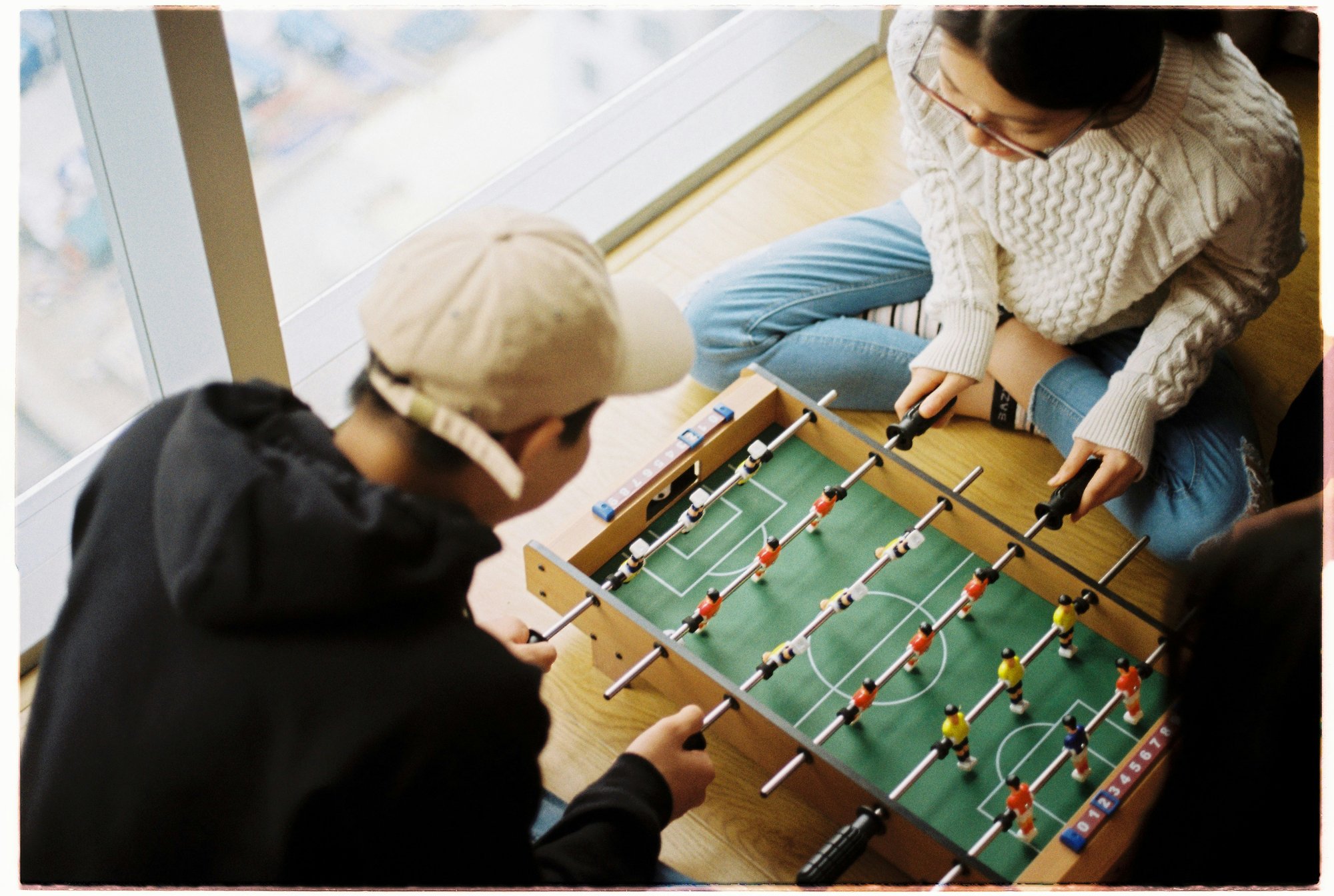
1. It Builds Intimacy
Play creates a safe emotional space where partners can express themselves more freely. Light teasing, shared humor, and spontaneous moments of fun help deepen trust and vulnerability.
As Leslie Baxter found, playful interaction allows couples to explore closeness while maintaining individuality (Baxter, 1992).
Complementing this, the work of Assael and Galit Romanelli highlights how playfulness helps partners move out of rigid interaction patterns and into more authentic, flexible connection — where new emotional responses and relational possibilities can emerge.
2. It Helps Navigate Conflict
Playfulness can shift the tone of difficult moments. When partners introduce humor or creativity into tension, it can reduce defensiveness and create a sense of “we’re in this together.”
Research shows that playful interaction is linked to lower stress and improved communication during conflict (Aune & Wong, 2002).
The Romanellis’ work reinforces this: play interrupts repetitive cycles in relationships, allowing couples to re-pattern interactions and respond differently in moments that would otherwise escalate.
3. It Sustains Attraction and Energy
Couples who play together tend to experience more joy, novelty, and satisfaction. Play introduces variation and openness, helping relationships stay dynamic rather than routine (Metz & McCarty, 2007).
More recent research also highlights how everyday playful exchanges contribute to ongoing relationship quality and connection over time (Gold, Timmons, et al., 2024).
From a scientific standpoint, play supports the same systems in relationships as it does elsewhere:
- Social bonding and trust
- Emotional regulation
- Flexibility and perspective-taking
It allows partners to move fluidly between seriousness and lightness—an essential capacity in long-term relationships.
You don’t have to be naturally outgoing or “funny” to benefit from play. Playfulness is a way of engaging, not a fixed trait.
It can be as simple as:
- Sharing a private joke
- Sending a lighthearted message
- Turning a routine moment into something unexpected
- Being willing to be a little less guarded
- Saying 'yes' to new adventures together
Play is not an extra in relationships—it is part of what sustains them.
It creates connection, eases tension, and keeps relationships alive, flexible, and human. Even small moments of lightheartedness can deepen closeness and strengthen the bond between people.
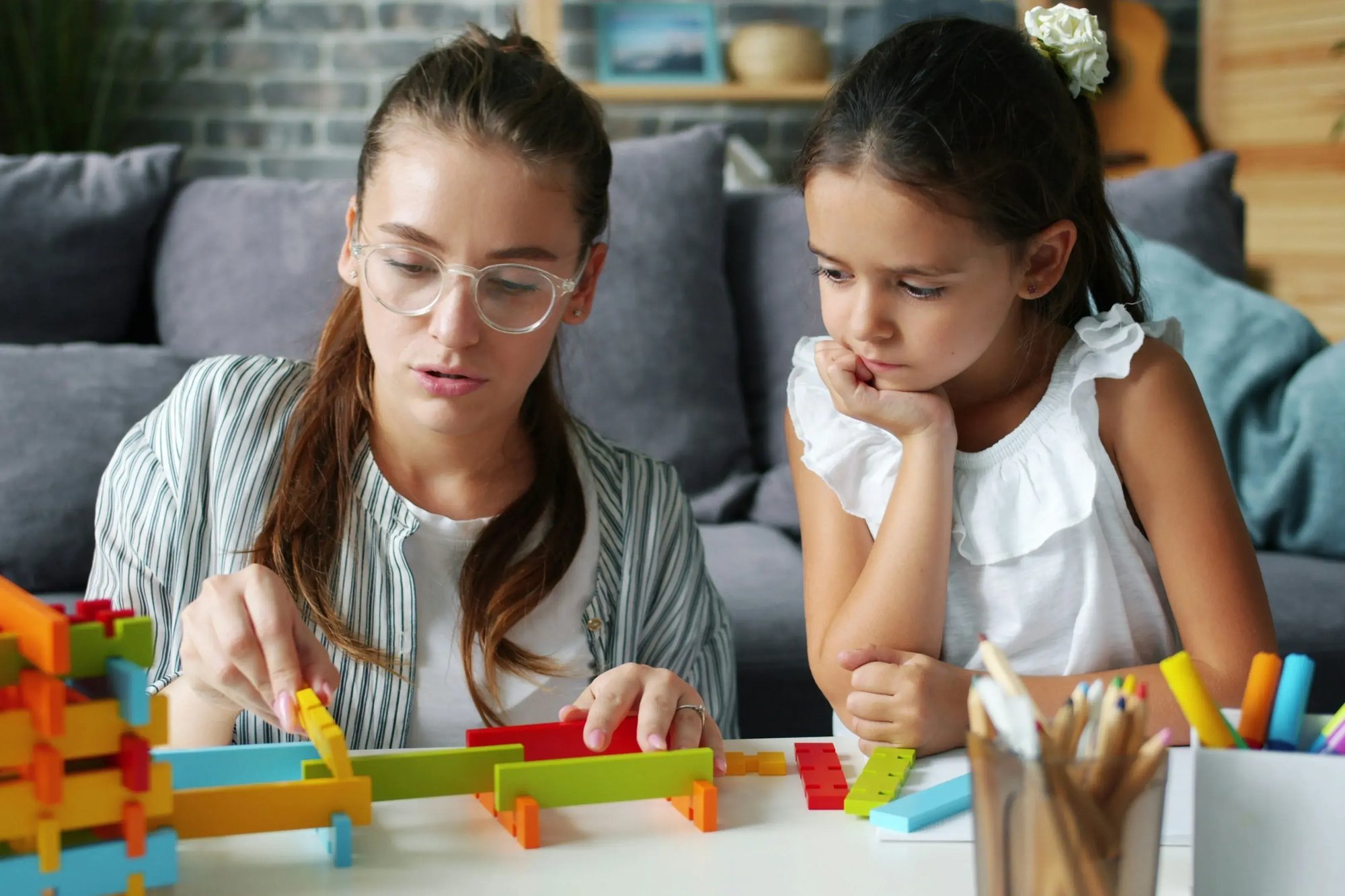
It speaks a language words cannot always reach.
Children naturally communicate through play long before they can articulate feelings. But this is not only true of children. Adults navigating trauma, grief, anxiety, or disconnection often find that the indirect, expressive quality of play-based approaches opens doors that traditional talk therapy may not. Psychodrama, developed by Jacob Moreno, uses role-playing and enactment to help people explore their stories from the inside out. Expressive therapies including art, music, movement, and drama invite clients into experience rather than description. Stuart Brown’s clinical work exploring patients’ play histories has helped adults understand how play shaped (or was missing from) their development and find their way back to it.
Play and the nervous system — why safety matters.
A compelling development in this field is the growing understanding of what play does to the body, not just the mind. Dr. David Hanscom MD builds on the polyvagal theory, arguing that playfulness is not a leisure activity but a physiological state of safety and curiosity that can reorganize the nervous system, restore social connection, and catalyze genuine healing. His clinical retreats have documented significant symptom relief in chronic pain patients through structured group play to activate the body’s rest-and-repair systems in ways that direct medical intervention had not.
Dr. Monica Blum brings a complementary perspective, focused specifically on the power of play to heal trauma. Her work bridges trauma treatment and the healing power of playful practice, making a compelling case for integrating a playful mindset, distinct from formal play therapy, into therapeutic work with traumatized clients of all ages.
Art therapy is also widely practiced and combines traditional mental health counseling with active artmaking to help individuals express emotions, process trauma, and improve their overall well-being.
The integration of play into mainstream therapy and trauma treatment is still an emerging field, and rigorous research is ongoing. But what the evidence already makes clear is that play therapy produces meaningful outcomes, and that play can serve as a powerful complement to other forms of intervention.
The fundamental paradox is that we must be well to play (have our basic needs met), and yet we must play to be well (regardless of our circumstances).
For children, it usually looks like a thoughtfully equipped space with art supplies, puppets, dollhouses, and building materials, alongside a trained therapist who knows how to follow a child’s lead and understand the symbolic language of what unfolds. For adolescents and adults, it may look like psychodrama in a group setting, expressive arts work, or somatic and movement-based approaches. What these share is a common understanding that play, in the right relational context, reach places conversation alone may not be able to.